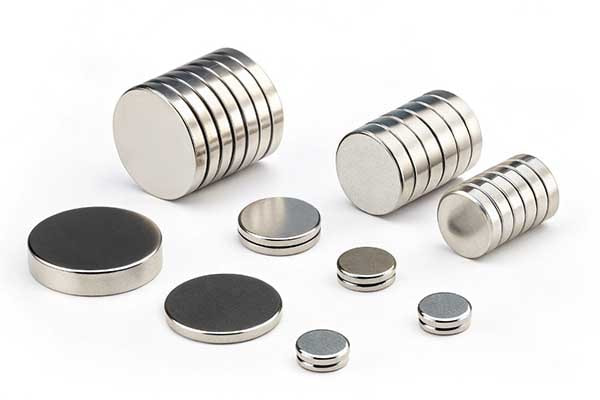
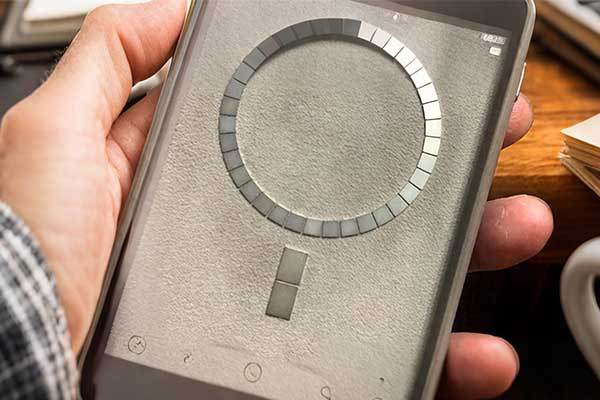
Are you allowed to bring magnetic devices on board a plane?

Magnets can cause worry when flying. You may wonder if they are allowed on planes or if they pose risks. Let's clarify the rules quickly.
Magnets are generally allowed on planes if their magnetic field strength is below a certain limit. Strong industrial magnets that exceed this limit are prohibited because they can interfere with aircraft instruments. Everyday magnets like fridge magnets and small toys are safe to carry in both checked and carry-on luggage.
Let's explore what kinds of magnetic items you can bring and the rules you need to know.
Table of Content
Can I take magnetic items on a plane?

Many travelers ask if they can bring magnets on flights. The concern is whether magnets can disrupt plane systems or cause safety issues.
You can carry magnetic items on planes as long as their magnetic field strength does not exceed 0.00525 gauss (5.25 milligauss) at 15 feet. This means most consumer magnets, including toys and souvenirs, are allowed in both carry-on and checked bags. Strong industrial magnets are restricted due to safety concerns.
Magnetic devices are regulated because strong magnets can interfere with aircraft navigation and electronic systems. The Federal Aviation Administration (FAA) and Transportation Security Administration (TSA) set clear limits on magnetic field strength to ensure safety.
Magnets with a field stronger than 0.00525 gauss at 4.5 meters (15 feet) are not allowed on planes. This limit protects sensitive instruments like compasses and avionics from magnetic interference.
However, most everyday magnets fall well below this threshold. For example, fridge magnets, magnetic toys, and small decorative magnets are safe and commonly carried by passengers without issue. The TSA explicitly allows magnets in both carry-on and checked luggage if they meet these standards.
When traveling with magnets, it is wise to pack them carefully. Wrapping magnets in bubble wrap and separating multiple magnets with non-magnetic materials like paper or cardboard helps prevent damage or accidental attraction. Also, placing magnets away from electronic devices such as laptops or tablets reduces risks.
Magnetic Device Regulations for Air Travel
| Magnet Type | Allowed on Plane? | Magnetic Field Limit | Packing Recommendations |
|---|---|---|---|
| Consumer Magnets (fridge, toys) | Yes | Below 0.00525 gauss at 15 feet | Wrap in bubble wrap; separate from electronics |
| Strong Industrial Magnets | No | Exceeds 0.00525 gauss at 15 feet | Not allowed on planes |
| Electronics with Mild Magnets (speakers, headphones) | Yes | Below limit | Standard packing |
Some travelers worry about strong magnets affecting compass readings or triggering alarms during security screening. While strong magnets can cause interference, such magnets are rarely carried by passengers. TSA screening usually does not flag small consumer magnets. If you have industrial-strength magnets, you should check airline policies and possibly ship them separately under special regulations.
What devices are not allowed on a plane?
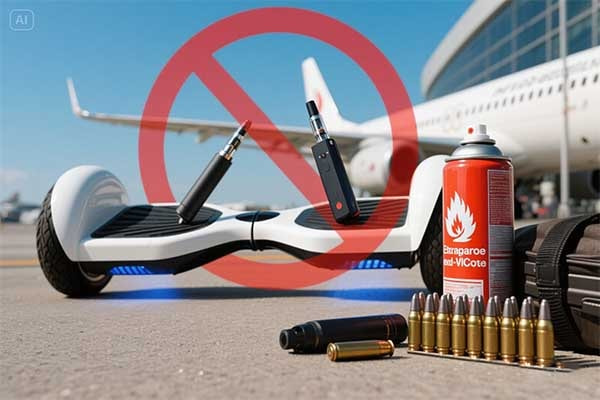
You are preparing for your trip. You are unsure about what devices you can bring on an airplane. This uncertainty can cause stress and delays at security checkpoints. Understanding the rules for prohibited devices helps you pack correctly. It makes your travel experience smoother.
Airlines and security agencies restrict certain devices on planes. This is to ensure passenger safety and security. Items that pose a fire risk, are weapons, or can disrupt aircraft systems are typically forbidden. This includes things like self-balancing boards, certain types of lighters, and large containers of liquids in carry-on bags.
When we travel, we always think about what we can bring. It is important to know the rules. Some devices are simply not allowed on a plane. This is for everyone's safety. We need to look at these rules closely. It helps us understand why they are in place.
Why Are Some Devices Prohibited?
Airlines and security need to keep everyone safe. Some devices can cause problems.
For example, things that might catch fire are dangerous. Lithium-ion batteries, when damaged, can get very hot. They might even explode. This is a big risk on a plane.
Other items are not allowed because they can be used as weapons. This includes many sharp objects. It also covers things that could be used to cause harm.
There are also rules about liquids. This is to prevent harmful substances from being brought on board. Security needs to check everything. They want to make sure the air is safe for everyone.
Common Prohibited Devices and Their Reasons
Let us look at some common items that you cannot bring. We will also see why they are not allowed.
Common Prohibited Devices
| Device | Reason for Prohibition | Allowed in Checked Luggage? |
|---|---|---|
| Hoverboards/Self-balancing boards | Lithium-ion battery fire risk | No |
| E-cigarettes/Vaping devices | Lithium-ion battery fire risk (must be carried on person or in carry-on) | No (only in carry-on) |
| Flammable liquids/Gels | Fire hazard | No |
| Aerosol cans (large) | Explosion risk | Limited (small, toiletries) |
| Firearms/Ammunition | Security risk | Yes (with specific rules) |
It is very important to check with the airline. Rules can change. Each country might also have its own specific rules.
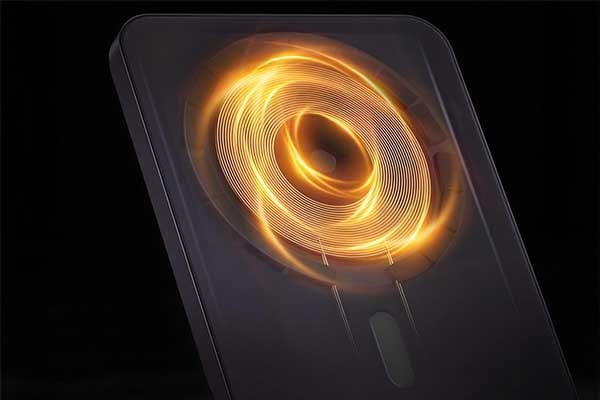
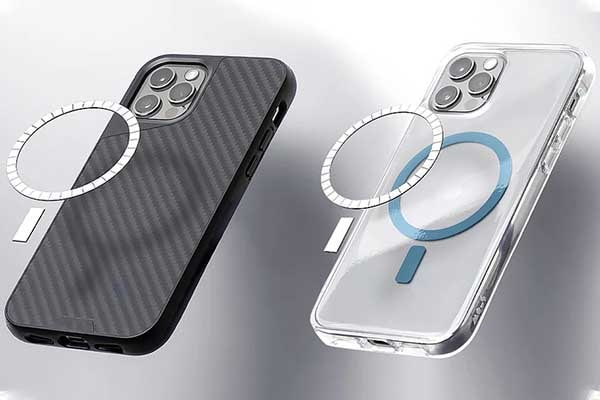
This includes understanding the rules for air freight. Even small magnets, like those used in MagSafe products, need to be handled correctly. Stronger neodymium magnets need special care. Their magnetic fields can affect sensitive equipment. This is why we pay close attention to packaging and regulations.
Special Considerations for Magnetic Devices
Are you allowed to bring magnetic devices on board a plane? This is a question many people ask.
Generally, small magnetic devices are fine. They are often found in phones, laptops, and other electronics. These devices usually have weak magnetic fields. They do not pose a risk to the aircraft's systems.
However, larger or very strong magnets might be an issue. Airlines want to ensure these do not interfere with navigation. They also worry about sensitive instruments on the plane.
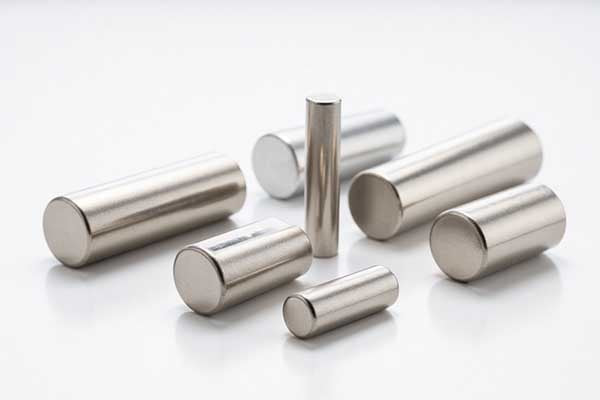
If you are carrying a powerful neodymium magnet, it is best to check with the airline. They can give you specific guidance. Sometimes, special packaging is needed. This packaging helps to shield the magnetic field. It prevents any possible interference.
For M-Magnet Company, when we ship our custom magnet solutions, we follow strict rules. We make sure our magnets are packed safely. This is important for all types of transport, including air.
What electronic devices are allowed in checked luggage?
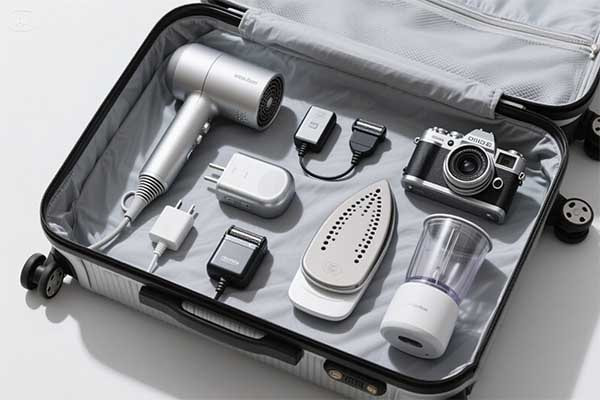
You are unsure which electronic devices can go into your checked bags. Incorrectly packing electronics can lead to confiscation or security delays. Knowing the rules helps you pack efficiently and avoid problems at the airport.
Many electronic devices are allowed in checked luggage. This includes items like hair dryers, electric razors, and chargers. However, devices with lithium-ion batteries often have restrictions. Laptops, tablets, and power banks usually need to be in carry-on bags. This is because lithium batteries pose a fire risk in the cargo hold.
Packing for a trip can be confusing. We often wonder where to put our electronic devices. Some devices are fine in checked bags. Others need to be in our carry-on luggage. There are reasons for these rules. We need to understand them. This helps us pack correctly and travel without issues.
Why Some Electronics are Restricted in Checked Luggage
The main reason for restrictions is battery safety.
Many modern electronic devices use lithium-ion batteries. These batteries can overheat. They might even catch fire. If this happens in the cargo hold, it is very dangerous.
The crew cannot easily put out a fire there. So, airlines want these items in the cabin.
If a battery starts to overheat in the cabin, the crew can see it. They can act quickly. This rule applies to things like laptops, tablets, and portable chargers. These items are often carried on the plane with you.
What You Can Pack in Checked Luggage
Many common electronic items are fine in checked bags. These usually do not have large lithium batteries. Or they do not have batteries at all. Here is a list of some items you can usually put in your checked bags:
Electronic Devices Allowed in Checked Luggage
| Device Type | Examples | Notes |
|---|---|---|
| Hair styling tools | Hair dryers, curling irons, straighteners | Cordless ones might have battery rules |
| Electric razors | Shavers (corded or battery-operated, with small batteries) | Small batteries generally okay |
| Chargers and cables | Phone chargers, laptop chargers, USB cables | No power banks here |
| Cameras (without large batteries) | Digital cameras, film cameras (without lithium-ion batteries) | Check battery type |
| Small household appliances | Travel irons, small blenders (empty) | Ensure no liquids or sharp parts |
It is always a good idea to protect your electronics in checked luggage. Bags can be tossed around. Use padded cases or wrap items in clothes. This prevents damage.
What to Keep in Your Carry-On
For your safety and the safety of the flight, some items must go in your carry-on. These include:
-
Laptops and tablets: These have large lithium-ion batteries. They need to be with you in the cabin.
-
Power banks/portable chargers: These are also lithium-ion batteries. They must be in your carry-on. You cannot check them.
-
Spare lithium batteries: If you have extra batteries for cameras or other devices, they must be in your carry-on. They should also be protected from short circuits. This means putting tape over the terminals or keeping them in original packaging.
-
E-cigarettes/Vaping devices: These must always be in your carry-on. You cannot use them on the plane.
-
Smart luggage with non-removable batteries: If your smart luggage has a battery that you cannot take out, it might not be allowed as checked luggage. Some airlines allow it if the battery is small. Always check with your airline.
Remember, rules can change. It is always best to check with your specific airline before you fly.
This makes sure you have the most up-to-date information.
For us at M-Magnet Company, we always keep up with shipping regulations. This includes rules for transporting magnetic materials. We know how important it is to follow these guidelines. This ensures our products, like custom MagSafe magnets arrive safely.
Are magnets allowed in handbag?
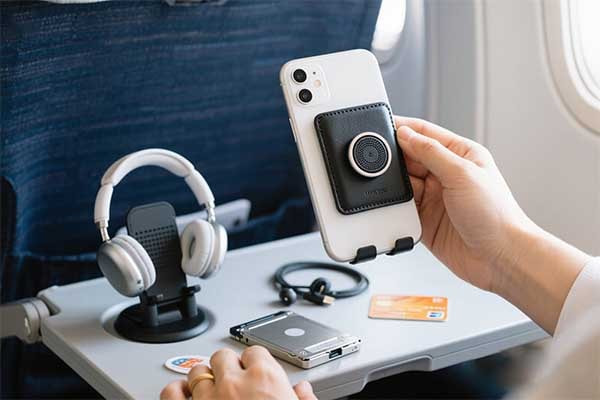
I often get worried calls from customers about traveling with their magnetic purchases. The fear of having expensive neodymium magnets confiscated at airport security keeps many people awake before flights. I understand this concern completely.
Yes, magnets are generally allowed in handbags when flying. The TSA and most international aviation authorities do not prohibit personal magnets in carry-on luggage. However, extremely powerful industrial magnets may require special handling due to their potential interference with aircraft systems.
Understanding TSA Magnet Policies
I have dealt with countless shipping scenarios where customers need their M-Magnet products for business trips or relocations. The Transportation Security Administration takes a practical approach to personal magnets. They focus on size and strength rather than blanket restrictions.
Small magnets pose no security threat. Your typical refrigerator magnets, magnetic phone holders, or even small neodymium magnets pass through security without issues. I regularly travel with sample magnets for trade shows, and security staff rarely give them a second glance.
The key factor is magnetic field strength. Magnets that can affect electronic devices from several feet away might trigger additional screening. This typically applies to magnets larger than a smartphone or those with pull forces exceeding 50 pounds.
Magnet Travel Guidelines
| Magnet Type | Carry-on Status | Special Requirements |
|---|---|---|
| Small neodymium magnets | Allowed | None |
| MagSafe accessories | Allowed | Keep with electronics |
| Industrial magnets | Case by case | May require shielding |
| Magnetic tools | Usually allowed | Subject to tool restrictions |
The reality is more nuanced than simple yes or no answers. I have seen customers successfully travel with moderately strong magnets by following basic precautions. Pack magnets away from electronic devices in your bag. Keep them in the original packaging when possible. This prevents accidental sticking to metal objects and makes security screening smoother.
Different countries have varying approaches to magnetic materials. European authorities tend to be more stringent about industrial-grade magnets. Asian airports often have specific protocols for rare earth magnets due to their widespread manufacturing in the region. I always advise customers to check specific airline policies before traveling internationally with valuable magnetic products.
The inspection process typically involves additional X-ray screening if magnets are detected. Security personnel may ask you to remove magnets from bags for separate inspection. This is routine procedure, not cause for alarm. Being upfront about carrying magnets often speeds up the process rather than hiding them.
Medical devices containing magnets follow different rules. Pacemaker magnets, magnetic therapy devices, and certain medical equipment may require documentation from healthcare providers. These items often qualify for special accommodation under medical device regulations rather than general baggage policies.
How do planes use magnets?
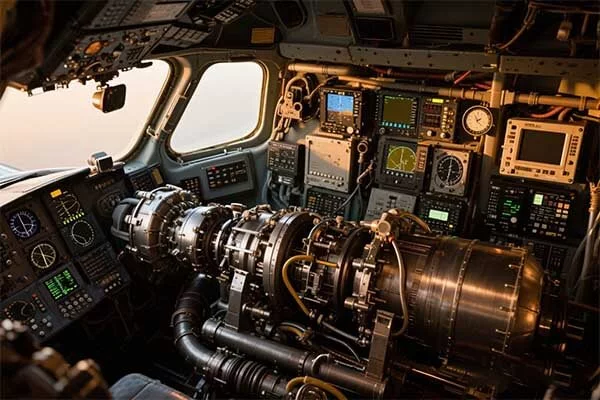
I find it fascinating how aviation technology relies heavily on magnetic principles. Many travelers worry about bringing magnetic devices aboard without realizing that aircraft themselves are filled with magnetic components. This creates an interesting paradox in aviation safety discussions.
Aircraft use magnets extensively in navigation systems, engine components, landing gear mechanisms, and electronic equipment. Modern planes contain hundreds of permanent magnets and electromagnets that are essential for safe flight operations, from compass systems to fuel pumps and generator assemblies.
Aircraft Magnetic Systems Overview
Every commercial aircraft I have studied contains sophisticated magnetic navigation equipment. The primary flight instruments depend on magnetic compasses for directional reference. These systems use carefully calibrated permanent magnets that must maintain precise orientation regardless of aircraft attitude or atmospheric conditions.
Engine systems represent the most intensive magnetic applications in aviation. Fuel injection systems use magnetic valves for precise fuel metering. Ignition systems employ powerful electromagnets to generate spark timing. Oil circulation pumps contain magnetic drive mechanisms that operate reliably in extreme temperature conditions.
Landing gear assemblies incorporate magnetic sensors for position indication. These sensors tell pilots whether gear is properly extended or retracted. Magnetic reed switches provide backup confirmation for hydraulic position indicators. The reliability of these magnetic systems directly impacts flight safety.
Aircraft Magnetic Component Applications
| Aircraft System | Magnetic Component | Primary Function |
|---|---|---|
| Navigation | Compass magnets | Directional reference |
| Engine control | Electromagnetic valves | Fuel flow regulation |
| Landing gear | Position sensors | Gear status indication |
| Electrical systems | Generator magnets | Power generation |
The electrical generation systems in aircraft rely heavily on magnetic principles. Generators use rotating magnetic fields to produce electrical power for all aircraft systems. These generators contain powerful permanent magnets or electromagnets that create the magnetic fields necessary for power generation. Without these magnetic components, modern aircraft could not function.
Flight control systems increasingly use magnetic position sensors for control surface feedback. These sensors provide precise information about aileron, elevator, and rudder positions. The accuracy of magnetic sensing allows for fly-by-wire control systems that make modern aircraft safer and more efficient than purely mechanical systems.
Communication and navigation equipment contains numerous magnetic components. Radio antennas often use magnetic loading coils to optimize signal transmission and reception. GPS receivers contain magnetic shielding to prevent interference from other aircraft systems. Even passenger entertainment systems use magnetic speakers and hard drives that rely on magnetic storage principles.
The irony is clear when passengers worry about bringing small magnets on planes that are essentially flying magnetic laboratories. The difference lies in magnetic field strength, proximity to sensitive equipment, and integration with aircraft systems. Aircraft magnets are specifically designed, positioned, and shielded to work harmoniously with other systems.
Understanding this relationship helps explain why aviation authorities focus on passenger magnet strength rather than prohibiting all magnetic materials. The goal is preventing interference with existing magnetic systems rather than eliminating magnetic fields entirely. This approach allows travelers to bring personal magnetic devices while maintaining flight safety standards.
Modern aircraft design increasingly relies on magnetic technologies for improved efficiency and safety. From magnetic bearing systems in engines to magnetic levitation concepts for future aircraft designs, the aviation industry continues expanding its use of magnetic principles. This trend suggests that concerns about passenger magnets will likely focus more on specific interference patterns rather than blanket restrictions.
Working with M-Magnet customers in the aerospace industry has given me deep appreciation for the sophisticated magnetic engineering in aircraft systems. The precision required for aviation-grade magnetic components far exceeds typical consumer applications, but the underlying principles remain the same across all magnetic applications.
How to transport magnets?
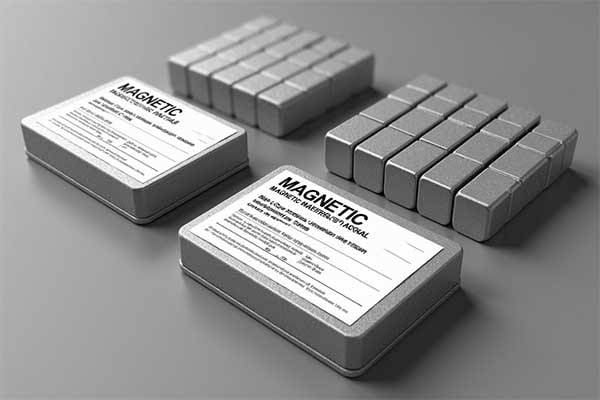
Transporting magnets safely requires careful planning to avoid damage and comply with regulations. Improper handling can cause magnets to attract each other or metal surfaces, leading to damage or safety risks.
Package magnets in steel containers with magnetic shielding. Label packages "MAGNETIC MATERIALS" and provide flux density data. Separate strong magnets with non-magnetic spacers to reduce combined field strength.
Transporting magnets involves more than just wrapping them; it requires understanding magnetic strength, packaging materials, and regulatory limits.
Packaging and Transport Guidelines for Magnets
When transporting magnets, especially strong or industrial types, the magnetic field strength and packaging method determine if they can be shipped by air or must use ground transport. The International Air Transport Association (IATA) and Federal Aviation Administration (FAA) classify magnets as dangerous goods if their field exceeds certain limits, requiring special packaging and labeling.
Key considerations include:
-
Magnetic Shielding: Using high-permeability materials like iron or steel to block or redirect magnetic fields reduces external interference. This is critical for air shipments.
-
Separation and Cushioning: Magnets should be separated by non-magnetic materials such as cardboard or plastic to avoid attraction and damage. Foam and bubble wrap provide shock absorption.
-
Field Strength Measurement: Ensuring the magnetic field outside the package is below regulatory thresholds (e.g., 0.00525 gauss at 15 feet) is necessary for air transport.
-
Labeling and Documentation: Packages must be clearly labeled as containing magnetic materials, with warnings to keep away from aircraft compass units.
Table: Best Practices for Transporting Magnets
| Step | Description | Materials/Tools | Purpose |
|---|---|---|---|
| Cleaning & Preparation | Remove dirt and debris; organize magnets by type/strength | Cloth, containers, plastic bags | Maintain magnet integrity and prevent unwanted interaction |
| Separation | Separate magnets to avoid mutual attraction | Cardboard, plastic sheets, paper | Prevent damage and magnetic interference |
| Cushioning & Padding | Wrap magnets individually; fill empty spaces | Bubble wrap, foam sheets, packing peanuts | Absorb shocks; secure magnets during transit |
| Magnetic Shielding | Enclose magnets in iron or steel-lined boxes | Iron/steel sheets, custom boxes | Reduce magnetic field leakage; comply with air transport rules |
| Field Strength Testing | Measure magnetic field outside package | Gauss meter, compass app | Ensure compliance with regulatory limits |
| Labeling & Documentation | Mark packages with magnetic material warnings | Labels, shipping papers | Inform handlers; meet legal requirements |
Additional Considerations
Shipping magnets by air is more challenging than ground transport due to strict regulations designed to prevent interference with aircraft systems. Large or strong magnets often cannot be shipped by air unless properly shielded and documented. Even then, carriers may refuse air shipments of powerful magnets.
Ground transport is preferred for heavy or high-strength magnets. It avoids many regulatory hurdles and reduces risk. When air shipment is necessary, investing in magnetic shielding and employee training on handling procedures is crucial.
Proper packaging also protects the magnets from physical damage. Magnets can chip or crack if they collide during transit. Using foam inserts custom-cut to the magnet shape keeps them stable and cushioned.
Measuring the magnetic field outside the package with a gauss meter or compass app helps verify compliance. If the field is too strong, additional shielding or alternative shipping methods are needed.
Conclusion
Most magnetic devices can fly with proper preparation. Follow airline flux density limits and shielding requirements. Camera magnets need special cases for air travel. At M-Magnet, we provide IATA-compliant packaging solutions. Always declare strong magnets and provide documentation. This prevents delays and ensures safe journeys.
About Blogger
Benjamin Li
Operation Manager of M-Magnet Company
I will bring you a full range of magnet knowledge and manufacturing experience on neodymium magnets and MagSafe magnet solutions through blogs and emails. I'm not an expert yet in magnets, but we have a whole team to help you solve technical issues, design drawing details, compatibility suggestions from magnetic assemblies, magnet purchasing and many other customized magnet solutions from China. You can follow my blogs on knowledge sharing or contact me for your own magnet solutions. We will always do the best.