Does Neodymium Absorb Electrons?
Understanding electron behavior in neodymium atoms is key to grasping their chemical and physical properties. But does neodymium absorb electrons?
Neodymium atoms have 60 electrons with the electron configuration [Xe] 4f⁴ 6s². While neodymium can gain or lose electrons in chemical reactions, it does not simply absorb electrons like a sponge. Its electron affinity is low, meaning it weakly attracts extra electrons.
Let’s explore how many electrons neodymium has and what that means for its electron interactions.
Table of Contents
How many electrons are in neodymium?
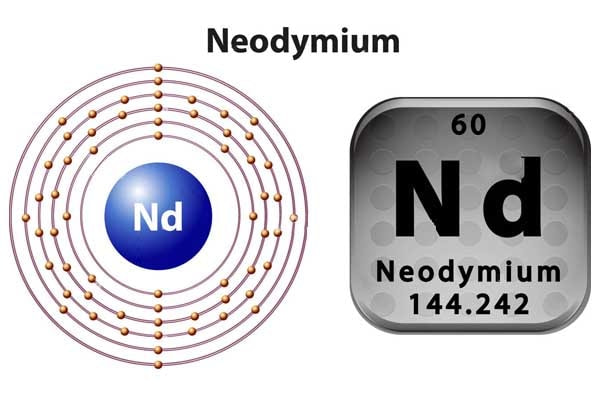
Neodymium is a chemical element with atomic number 60, which means it has 60 electrons orbiting its nucleus in a neutral state.
The 60 electrons in neodymium are arranged in shells with the electron configuration [Xe] 4f⁴ 6s². This configuration defines its chemical behavior and magnetic properties, especially the partially filled 4f subshell.
Neodymium’s electrons fill shells in the order: 2, 8, 18, 22, 8, 2 electrons across the respective energy levels. The 4f electrons are crucial for its magnetic characteristics and its ability to form strong neodymium magnets.
Electron Configuration and Electron Affinity of Neodymium
Neodymium’s electron configuration is complex due to the involvement of the 4f orbitals. The 4f electrons are shielded by outer electrons, which influences neodymium’s chemical reactivity and electron affinity.
Neodymium Electron Configuration and Properties
| Shell | Number of Electrons | Orbital |
|---|---|---|
| 1st | 2 | 1s |
| 2nd | 8 | 2s, 2p |
| 3rd | 18 | 3s, 3p, 3d |
| 4th | 22 | 4s, 4p, 4d, 4f |
| 5th | 8 | 5s, 5p |
| 6th | 2 | 6s |
Neodymium’s electron affinity is relatively low (<0.5 eV), indicating it does not strongly attract additional electrons. Instead, it tends to lose electrons during chemical reactions, commonly forming +3 oxidation states.
The partially filled 4f orbitals contribute to neodymium’s unique magnetic properties, which are exploited in neodymium magnets widely used in speakers, motors, and electronics.
How conductive is neodymium?
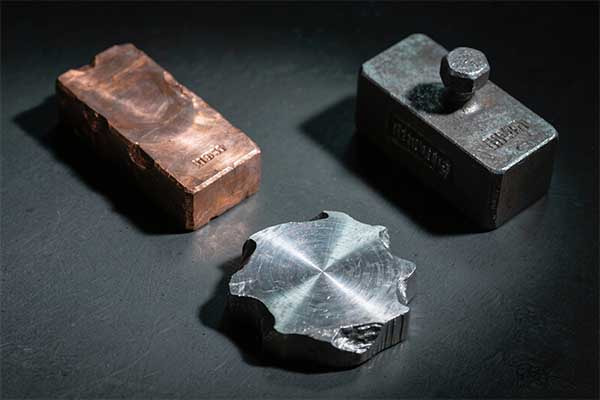
Have you ever wondered why your electronic devices work so well with neodymium magnets? The answer lies in neodymium's unique electrical properties. As someone who works with these materials daily, I can tell you that understanding conductivity is crucial for proper magnet applications.
Neodymium metal has moderate electrical conductivity, with a resistivity of about 64 microohm-centimeters at room temperature. This makes it less conductive than copper but more conductive than most rare earth elements. Pure neodymium conducts electricity better than the neodymium-iron-boron alloys used in permanent magnets.
When I work with clients at M-Magnet, they often ask about the electrical properties of neodymium magnets. The conductivity of neodymium plays a significant role in how these magnets behave in different applications. Pure neodymium metal shows metallic conduction characteristics, which means electrons can move through it relatively easily compared to insulators.
Understanding Neodymium's Electrical Structure
The electrical conductivity of neodymium comes from its atomic structure. Neodymium belongs to the lanthanide series, and its electrons are arranged in a way that allows for moderate electrical conduction. The metal has a face-centered cubic crystal structure at room temperature, which facilitates electron movement through the material.
I've observed that the conductivity of neodymium changes with temperature. As temperature increases, the resistance also increases, following the typical metallic behavior pattern. This temperature dependence is important when designing applications that involve heat generation or extreme temperature conditions.
The conductivity also depends on the purity of the neodymium. Pure neodymium metal conducts electricity better than neodymium alloys. When neodymium is combined with iron and boron to create permanent magnets, the overall conductivity of the resulting material changes significantly.
Neodymium vs Other Materials Conductivity Comparison
| Material | Resistivity (μΩ·cm) | Conductivity Rating |
|---|---|---|
| Copper | 1.7 | Excellent |
| Aluminum | 2.8 | Very Good |
| Neodymium | 64 | Moderate |
| Iron | 10 | Good |
| NdFeB Magnet | 140-170 | Fair |
The practical implications of neodymium's conductivity become clear when I design custom magnet solutions. The moderate conductivity means that neodymium magnets can experience eddy current losses in alternating magnetic fields. This is why I often recommend specific coatings or designs to minimize these losses in applications like electric motors or generators.
From my experience manufacturing magnets, the conductivity of neodymium affects how we handle the material during production. The electrical properties influence the sintering process and the final magnetic performance. Higher conductivity can lead to different heating patterns during manufacturing, which we must account for to maintain consistent quality.
Do neodymium magnets lose charge?

You might worry that your expensive neodymium magnets will weaken over time like old batteries. This concern is natural, especially when you invest in high-quality magnetic solutions. Let me share what I've learned from years of working with these powerful magnets.
Neodymium magnets do not lose charge in the traditional sense because they are permanent magnets, not electrical devices. However, they can experience gradual demagnetization over decades due to temperature exposure, physical shock, or opposing magnetic fields. Under normal conditions, quality neodymium magnets retain over 99% of their strength after 10 years.
The confusion about neodymium magnets "losing charge" comes from misunderstanding how permanent magnets work. Unlike batteries that store electrical energy, permanent magnets create magnetic fields through aligned atomic magnetic moments. At M-Magnet, I explain to customers that these magnets don't contain electrical charge that can drain away.
The Science Behind Permanent Magnetism
Neodymium magnets maintain their magnetic field through a phenomenon called ferromagnetism. The atoms in the neodymium-iron-boron alloy have unpaired electrons that create tiny magnetic moments. During manufacturing, we apply strong magnetic fields to align these moments in the same direction, creating the permanent magnetic field.
The stability of this alignment determines how long the magnet maintains its strength. Unlike temporary magnets that need external fields to stay magnetized, permanent magnets like neodymium have high coercivity. This means they resist demagnetization and maintain their magnetic properties for very long periods.
Temperature plays the biggest role in potential magnetic field loss. Every magnetic material has a Curie temperature where it loses its permanent magnetism. For neodymium magnets, this temperature is around 310-400°C depending on the specific grade. Below this critical temperature, the magnets remain stable.
Factors That Affect Magnet Longevity
Physical shock can cause some demagnetization, but it takes significant force to affect quality neodymium magnets. I've seen magnets dropped from considerable heights that showed no measurable loss in magnetic strength. However, extreme impacts that crack or break the magnet can affect its magnetic properties.
Opposing magnetic fields can also cause demagnetization if they're strong enough. This is why we specify the coercivity rating for each magnet grade. Higher grade magnets resist demagnetization better than lower grades. The key is matching the magnet grade to the application requirements.
Magnet Degradation Timeline and Expectations
| Time Period | Magnetic Strength Retention | Conditions |
|---|---|---|
| 1 Year | 99.9% | Normal Use |
| 5 Years | 99.5% | Room Temperature |
| 10 Years | 99.0% | Normal Conditions |
| 50 Years | 95% | Ideal Storage |
| 100 Years | 90% | Protected Environment |
Age-related magnetic field reduction happens very slowly in neodymium magnets. The process involves gradual misalignment of magnetic domains due to thermal energy. Even at room temperature, atoms have some thermal motion that can slowly disturb the perfect alignment created during manufacturing.
Corrosion poses a bigger threat to magnet performance than natural demagnetization. Raw neodymium magnets oxidize when exposed to moisture and air. This is why we apply protective coatings like nickel, zinc, or epoxy. Corrosion can cause physical degradation that affects magnetic performance more than time alone.
Environmental factors also influence magnet longevity. Magnets stored in stable, dry conditions last much longer than those exposed to temperature cycling, humidity, or corrosive chemicals. I always recommend proper storage and handling procedures to maximize magnet life.
From my manufacturing experience, the quality of the initial magnetization process significantly affects long-term stability. Properly magnetized neodymium magnets using optimal field strengths and procedures show better long-term performance than those magnetized with insufficient or excessive fields. This is why choosing a reputable manufacturer matters for applications requiring long-term reliability.
Can neodymium magnets generate electricity?

Neodymium magnets can generate electricity - This is the answer that can help you figure out how powerful these magnets can be in real-world applications like wind turbines or electric motors. But how to generate electricty exactly?
Neodymium magnets cannot generate electricity alone. They enable electricity generation when moved near copper coils. This motion creates electromagnetic induction, producing current in devices like wind turbines.
The Physics of Magnetism and Electricity
Electricity generation requires conductor movement through magnetic fields. Neodymium magnets provide strong fields but need external energy input.
How Generators Use Neodymium Magnets
| Component | Role | Neodymium Advantage |
|---|---|---|
| Rotor | Spinning magnets | Stronger field = more power |
| Stator | Stationary coils | Faster current induction |
| Kinetic Source | Wind/water/mechanical | 30% less motion needed |
In wind turbines, our N50-grade neodymium magnets rotate past copper coils. The magnetic field pushes electrons through wires. This creates usable electricity. But magnets themselves don't absorb electrons. They force electron movement in conductors.
We test magnet-coil distances to maximize efficiency. Closer spacing yields more power but risks physical contact. Our clients in Europe use this for portable generators.
How can I electrically charge neodymium magnets to make them stronger?

Trying the wrong method to make neodymium magnet stronger could damage the magnet or waste your time. When magnets are already extremely strong, how to make it much stronger?
You cannot electrically charge neodymium magnets to strengthen them. Their power comes from atomic alignment during manufacturing. Exposing them to strong magnetic fields can remagnetize weakened magnets.
Magnetization Science Explained
Neodymium magnets get permanent magnetism during factory production. Electricity assists this process once.
Industrial Magnetization Methods
| Method | Process | Field Strength |
|---|---|---|
| Capacitor Discharge | Short high-voltage pulse | 3-4 Tesla |
| Electromagnet | Sustained magnetic field | 2-3 Tesla |
| Pulse Magnetizer | Controlled multi-directional | 5+ Tesla |
Our factory uses 30,000-amp pulse magnetizers. These align magnetic domains in raw neodymium blocks. Once aligned, magnets maintain strength for decades.
Attempting DIY "charging" with batteries risks demagnetization. Heat above 80°C scrambles atomic arrangements.
For MagSafe components, we magnetize before assembly. American clients sometimes request remagnetization for old industrial magnets. We apply brief 3-Tesla pulses to restore 95% strength.
What are 3 things neodymium is used for?

People often wonder where powerful magnets, like neodymium, are used. Many do not realize how vital these magnets are to modern technology. Neodymium magnets are crucial in many applications, such as consumer electronics, electric vehicles, and wind turbines.
Neodymium magnets are essential in many modern technologies due to their exceptional strength. Three primary uses include: enhancing sound quality in consumer electronics like headphones and speakers; driving efficiency in electric vehicle motors; and generating clean energy in wind turbines.
Understanding Key Applications of Neodymium Magnets
As a neodymium magnet manufacturer, I see our magnets used in a wide range of products every day. Their incredible strength for their size makes them very valuable. Let me explain three main areas where these powerful magnets are making a big difference.
1. Consumer Electronics
Neodymium magnets are everywhere in your daily electronic devices. Their small size and strong magnetic field are perfect for making compact and high-performance gadgets.
Speakers and Headphones: This is a very common use. Inside almost all modern speakers and headphones, you will find a neodymium magnet. The magnet creates a strong, stable magnetic field. This field interacts with the voice coil to move the speaker cone. A stronger magnetic field means the speaker can produce louder and clearer sound. It also allows for smaller, lighter designs. Without neodymium, your tiny earbuds would be much larger and heavier, or the sound quality would be much worse.
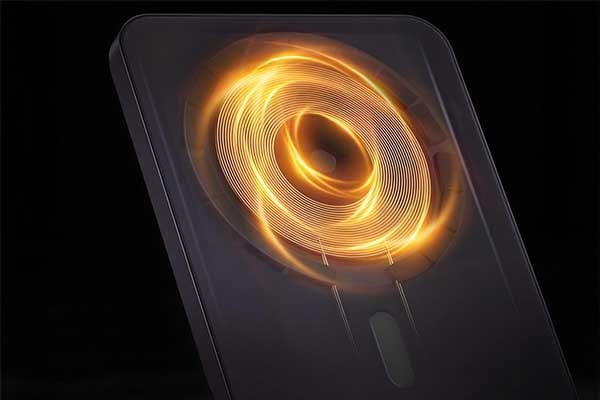
Smartphones and Tablets: Neodymium magnets are used for many functions in these devices. They are in the tiny speakers and microphones. They are also used for haptic feedback, making your phone vibrate. Some phones, especially newer models like those using MagSafe technology, have neodymium magnets for precise attachment of accessories and for wireless charging alignment.
Hard Drives: In older computers, hard disk drives (HDDs) use neodymium magnets in their read/write heads. The magnets move the heads very quickly and precisely across the spinning disk. This allows for fast data access. Even as Solid State Drives (SSDs) become more common, HDDs still rely on these magnets.
The demand for smaller, more powerful, and lighter electronic devices directly drives the need for strong, compact magnets like neodymium. This is where the strength of a neodymium magnet truly shines.
2. Electric Vehicle (EV) Motors
Electric vehicles are a growing market. Neodymium magnets are vital components in many types of electric motors. They are especially important for traction motors that power the wheels.
Permanent Magnet Synchronous Motors (PMSMs): Many modern EVs use PMSMs. These motors have permanent magnets on their rotor (the spinning part). Neodymium magnets are the preferred choice for these motors. Their high strength allows the motor to produce a lot of torque (rotational force). This means better acceleration and more power.
Efficiency: Neodymium magnets contribute to the high efficiency of EV motors. A stronger magnetic field leads to less energy loss as heat. This helps extend the battery range of electric cars. This also reduces the overall energy consumption.
Compactness: Because neodymium magnets are so strong, the motors can be made smaller and lighter. This is important for car design, as it frees up space and reduces the vehicle's weight. Lighter vehicles use less energy. This is a key advantage for performance and range.
The push for more efficient and powerful electric vehicles means that demand for neodymium magnets in this sector continues to grow rapidly. My company, <a href="/" target="_blank>M-Magnet Company, provides magnet customized solutions for many motor applications, including those for electric vehicles.
3. Wind Turbines
Wind turbines convert wind energy into electricity. They use generators for this. Many modern wind turbines, especially larger ones, use permanent magnet generators. These generators rely on powerful magnets.
Direct-Drive Wind Turbines: Some large wind turbines use direct-drive generators. These generators do not have a gearbox. This makes them more reliable and reduces maintenance needs. For these direct-drive systems, very powerful magnets are needed to generate electricity at lower wind speeds. Neodymium magnets are ideal for this.
Efficiency in Energy Generation: The strong magnetic field created by neodymium magnet speaker systems in generators allows for highly efficient energy conversion. This means more electricity can be produced from the same amount of wind. This is crucial for renewable energy.
Size and Weight: While wind turbines are large, reducing the weight of the generator at the top of the tower is still beneficial. Lighter components mean less stress on the tower and easier installation. Neodymium magnets help achieve this. They allow for more compact and powerful generators.
These three applications show just how vital neodymium magnets are in powering our modern world. From the smallest electronic devices to large-scale renewable energy systems, their unique properties are indispensable.
Top 3 Uses of Neodymium Magnets
| Application Area | Specific Uses | Key Benefit of Neodymium Magnet |
|---|---|---|
| Consumer Electronics | Speakers, headphones, microphones, smartphones, tablets, haptic feedback, magnetic fasteners (e.g., MagSafe). | Enables compact size, high sound quality, strong haptics, precise accessory alignment. |
| Electric Vehicle (EV) Motors | Traction motors in hybrid and battery electric vehicles. | Provides high torque, excellent efficiency, and allows for smaller, lighter motor designs. |
| Wind Turbines | Generators in direct-drive wind turbines for electricity production. | Ensures high energy conversion efficiency, enables compact and lighter generator design. |
Conclusion
Neodymium has 60 electrons arranged in a complex configuration with a partially filled 4f subshell. It does not strongly absorb electrons but rather tends to lose them in chemical reactions. Its electron structure underpins its magnetic strength, making neodymium magnets essential in many technologies. Understanding neodymium’s electron behavior helps us optimize magnet design at M-Magnet.