Can a Wireless Phone Charger Ruin a Credit Card?
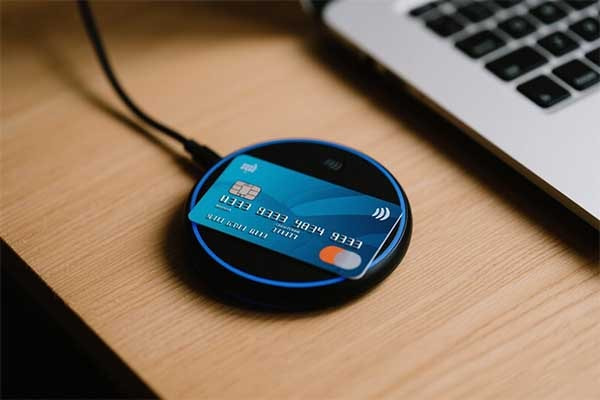
Many people wonder if wireless phone chargers can damage their credit cards. It's a valid concern, especially with the increasing popularity of wireless charging technology.
Modern wireless phone chargers use electromagnetic induction at specific frequencies that do not interfere with credit card magnetic strips or chip technology. The magnetic fields generated by Qi-standard wireless chargers are too weak and operate at frequencies that cannot demagnetize credit cards or damage their stored data.
Understanding how these technologies work together helps you use both safely. Let's explore the science behind wireless charging and credit card storage.
Table of Contents
Is Credit Card a Magnetic Storage Device?
It is true that credit cards once relied heavily on magnetic technology. But card technology has changed a lot. This change means that what was once true is not always true today.
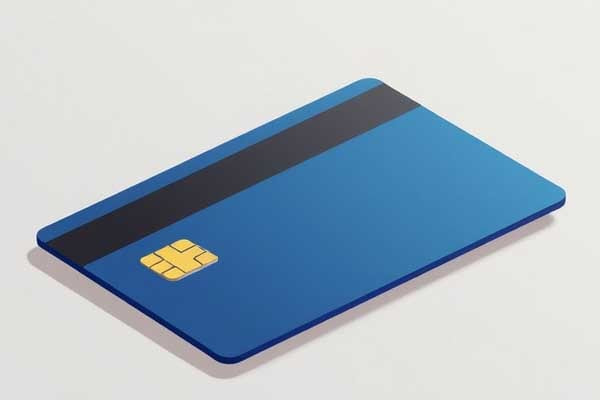
Credit cards use magnetic strips to store basic account information, but modern cards also contain EMV chips that provide primary security. The magnetic strip requires strong, direct magnetic fields to be damaged, while wireless chargers generate weak electromagnetic fields that cannot affect credit card data storage systems.
Credit cards have evolved significantly since their introduction. The magnetic strip technology dates back to the 1960s and uses iron oxide particles arranged in specific patterns. These particles hold their magnetic orientation unless exposed to strong magnetic fields of at least 4,000 gauss. Most household magnets, including those in wireless chargers, generate fields between 50-200 gauss.
Credit Card Data Storage Comparison
| Storage Method | Magnetic Field Resistance | Primary Use | Vulnerability Level |
|---|---|---|---|
| Magnetic Strip | Requires 4,000+ Gauss | Backup Data Storage | Low |
| EMV Chip | Immune to Magnetic Fields | Primary Transaction Processing | None |
| RFID/NFC | Immune to Magnetic Fields | Contactless Payments | None |
Modern credit cards feature multiple layers of technology. The EMV chip serves as the primary data storage and processing unit. This chip uses electronic circuits rather than magnetic storage. Magnetic fields cannot damage these circuits. The chip handles all secure transactions and authentication processes.
Contactless payment cards contain RFID or NFC technology. These systems use radio frequency identification. They operate independently of magnetic storage systems. Radio frequencies differ completely from magnetic fields. Wireless charging and credit cards use different electromagnetic spectrums that do not interfere with each other.
The magnetic strip remains on cards for backward compatibility. Older payment terminals still require magnetic strip reading. However, this strip serves as a backup system. Even if the magnetic strip suffered damage, the EMV chip would continue functioning normally. Your card would still process payments through chip reading or contactless methods.
Banks and card manufacturers design credit cards to withstand everyday magnetic exposure. Cards pass through magnetic security scanners at airports. They sit near speakers, phones, and other electronic devices. The magnetic strip maintains its data integrity through normal use. Only industrial magnets or deliberate exposure to strong magnetic fields could cause damage.
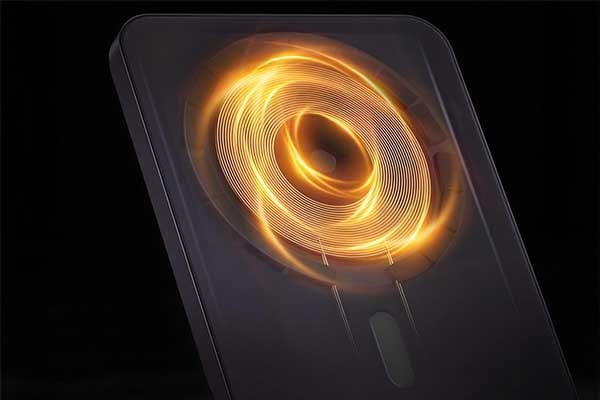
Wireless phone chargers operate on completely different principles. They use electromagnetic induction to transfer energy. The charging pad creates an alternating magnetic field. This field induces current in the phone's receiving coil. The process occurs at specific frequencies optimized for energy transfer, not data disruption.
The magnetic field strength in wireless chargers stays well below levels that could affect credit cards. Qi-standard chargers generate fields of approximately 100-200 gauss at the charging surface. This strength drops rapidly with distance. A credit card placed even one inch away from an active wireless charger experiences minimal field exposure.
Testing has shown that wireless charging and credit cards can coexist safely. Independent laboratories have placed credit cards directly on active wireless charging pads for extended periods. The cards showed no data loss or magnetic strip damage. The electromagnetic fields generated during charging do not reach the threshold required to demagnetize credit card strips.
Financial institutions and wireless charging manufacturers have collaborated on safety standards. These standards ensure that everyday electronic devices cannot accidentally damage payment cards. The specifications account for various scenarios including cards placed near charging devices, phones with wireless charging capabilities, and MagSafe-compatible accessories.
Does wireless charging damage NFC?
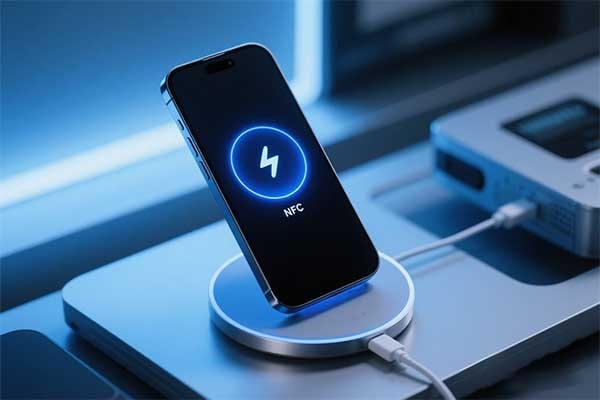
Wireless charging is very common, but many worry it might harm NFC functions in phones or cards.
Wireless charging can interfere with NFC if both operate simultaneously, potentially damaging NFC tags or readers due to power overlap. However, typical phone designs minimize this risk by disabling NFC during charging or using shielding. Properly designed wireless chargers should not damage NFC functions.
Wireless charging and NFC both use electromagnetic fields but at different power levels. NFC operates at very low power, while wireless charging uses much higher power to transfer energy. When both systems are active together, their fields can interfere. This interference may cause NFC tags to malfunction or degrade over time, especially if placed directly on a wireless charging pad. Phones often disable NFC during wireless charging to prevent damage or communication errors. Additionally, wireless chargers with Foreign Object Detection (FOD) can avoid overheating metal objects like NFC tags or credit cards.
Interaction Between Wireless Charging and NFC
| Aspect | Effect | Risk Level |
|---|---|---|
| Power Levels | Wireless charging power (5-30W) far exceeds NFC power (~800µW) | High for NFC tags if exposed during charging |
| Interference | Magnetic fields can overlap, causing communication errors | Moderate to high if both active simultaneously |
| Device Protection | Phones often disable NFC during charging | Low |
| FOD Feature | Detects metal objects to prevent overheating | Reduces risk of damage |
In my experience as a magnet manufacturer, I see that wireless charging and NFC can coexist safely when devices are designed correctly. The rare earth magnets we produce for MagSafe and other wireless charging systems are engineered to avoid excessive interference. Still, users should avoid placing NFC tags or cards directly on charging pads to prevent damage.
Can MagSafe damage credit cards?
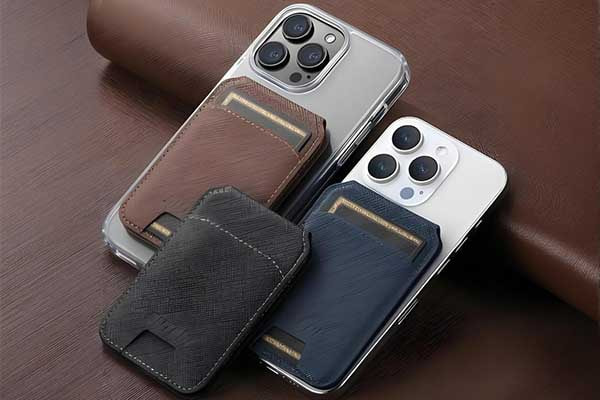
MagSafe’s magnets raise concerns about whether they can ruin credit cards stored nearby.
MagSafe magnets generally do not damage modern credit cards with EMV chips. However, they can affect older cards with magnetic stripes if cards are placed directly against the magnets or between the MagSafe charger and phone. Proper use avoids damage.
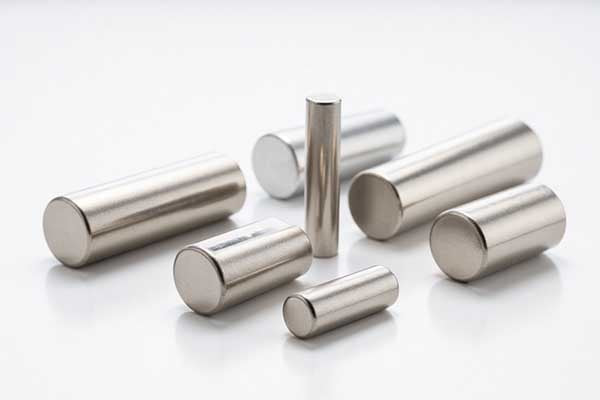
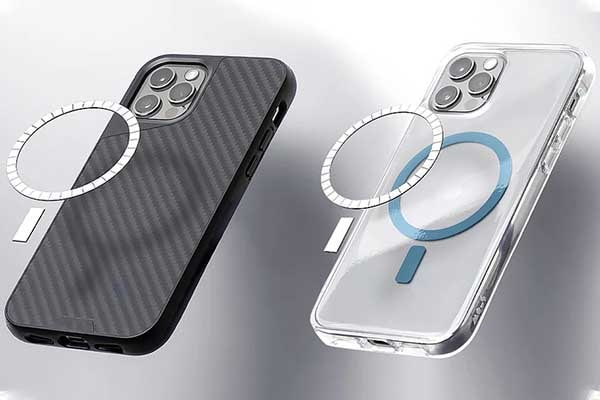
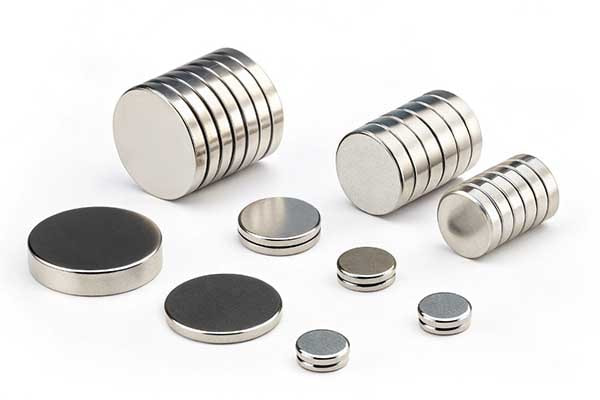
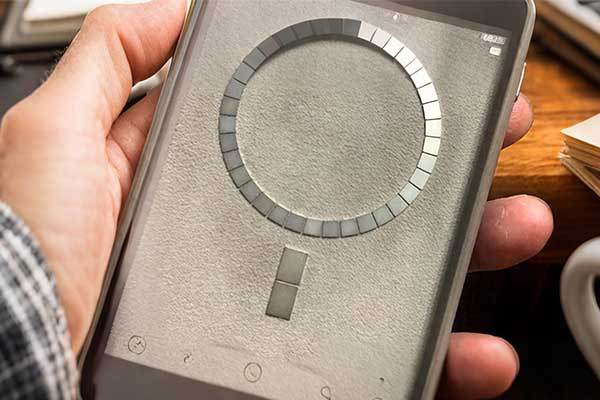
MagSafe also uses neodymium rare earth magnets arranged in a ring to align accessories. These magnets produce magnetic fields strong enough to hold wallets or chargers but are not strong enough to erase EMV chip data.
Older magnetic stripe cards are more vulnerable because their data is stored magnetically and can be demagnetized by strong fields.
User reports show some magnetic stripes and hotel key cards have been damaged by close contact with MagSafe magnets. Apple advises not to place credit cards between the phone and MagSafe charger and offers special MagSafe wallets designed to hold cards safely outside the direct magnetic field.
MagSafe Magnets and Credit Card Safety
| Card Type | Susceptibility | MagSafe Effect |
|---|---|---|
| EMV Chip Cards | Low | No damage from MagSafe magnets |
| Magnetic Stripe Cards | Moderate to High | Possible demagnetization if placed too close |
| Hotel/Transit Cards | High | Often damaged by MagSafe magnets |
From my perspective at M-Magnet, we produce rare earth magnets that balance strength and safety. MagSafe magnets are designed to be strong enough for attachment but not so strong as to cause widespread damage. Still, users should avoid storing magnetic stripe cards directly against MagSafe magnets or between the charger and phone to prevent damage. Using EMV chip cards and MagSafe wallets designed for card protection is the best practice.
Is it safe to keep your credit card on your phone?
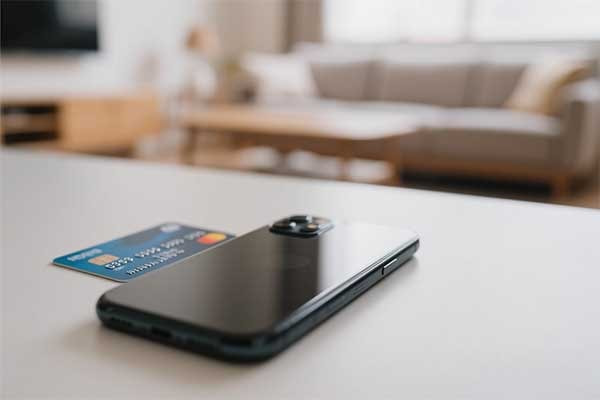
Many people carry their credit cards in their phone cases. This seems convenient, but it can lead to worries. Is it truly safe for your cards to be so close to your phone's technology? We need to understand the potential risks.
It is generally safe to keep credit cards near modern smartphones, especially those with EMV chips, as they are less susceptible to magnetic damage. Older magnetic stripe cards may have a slight risk from strong, sustained magnetic fields, but typical phone operation or wireless charging does not produce such fields.
First, let us talk about how credit cards work. There are two main types. One type uses a magnetic stripe. This stripe holds your card information. It works by having tiny magnetic particles arranged in specific ways. If a strong magnet passes over this stripe, it can change the arrangement of these particles. This can corrupt the data. The card might stop working. This is what most people worry about.
The other type of card uses a chip. This is an EMV chip. Most new credit cards have this chip. These cards are much harder to damage with magnets. The chip stores information differently. It uses encryption. It does not rely on magnetic particles in the same way. So, a magnet passing by it usually does not cause any harm. Most modern payment systems now use these chips. This makes card use safer overall.
Now, let us consider phones. Phones have small magnets inside them. These magnets help parts like speakers or haptic feedback motors work. However, these magnets are not usually strong enough to harm a credit card's magnetic stripe. They are also not designed to create a large, consistent magnetic field outside the phone. The field they make is very localized.
The real concern comes from external magnets. Sometimes, phone cases have magnets built into them. These magnets hold the case closed or help attach accessories. If these magnets are strong and sit directly over a magnetic stripe for a long time, there might be a very small risk. But even then, it is rare to see actual damage. M-Magnet makes strong magnets. We know how powerful they can be. But the magnets in typical phone cases are not made to be super strong. They are just strong enough for their purpose.
When we talk about wireless charging, the situation changes a bit. Wireless chargers use electromagnetic induction. This creates an electromagnetic field. This field transfers energy to the phone's battery. This field is generally safe for credit cards. It is a different kind of field than a static magnetic field. It does not typically scramble the data on a magnetic stripe. Payment systems in shops also use electromagnetic fields for contactless payments (NFC). Those systems do not ruin your cards either.
So, for most modern credit cards with chips, keeping them near your phone is very safe. For older cards with only a magnetic stripe, the risk is extremely low from the phone itself or typical wireless charging. The biggest risk would be from a very strong external magnet, not common with a phone. People usually worry too much about this.
Here is a simple look at credit card types and their magnet sensitivity:
Credit Card Magnet Sensitivity
| Card Type | Description | Magnet Sensitivity | Common in Modern Use |
|---|---|---|---|
| Magnetic Stripe (Magstripe) | Older technology, data stored on a magnetic strip. | Moderate to High (can be corrupted by strong magnets) | Less common for primary use, still present on many cards. |
| EMV Chip Card | Newer technology, data stored on an embedded microchip. | Very Low (highly resistant to magnetic interference) | Highly common, standard for secure transactions. |
| Contactless/NFC Card | Uses Near Field Communication for tap-to-pay. Often combined with EMV chip. | Very Low (relies on radio frequency, not magnetic storage) | Very common and growing in popularity. |
How happens if you put a magnet on a wireless charger?
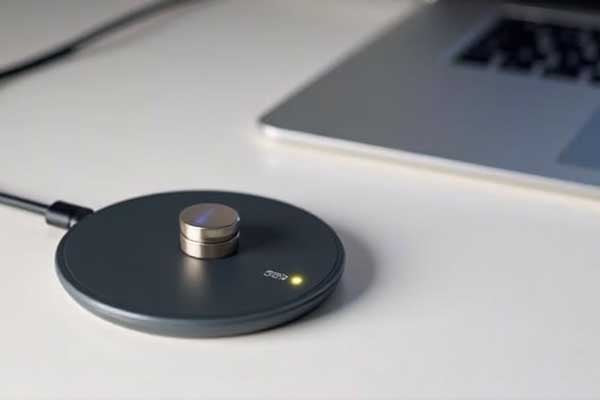
You might wonder about putting a magnet near a wireless charger. It seems like it could cause problems. Does it damage the charger, your phone, or other items? We need to understand the potential outcomes.
Placing a magnet directly on a wireless charger can interfere with its operation, potentially causing inefficient charging or preventing it entirely. While typically not damaging to the charger or phone, strong magnets might affect sensitive magnetic stripe cards placed nearby by corrupting data.
Wireless chargers use these fields. They use a principle called electromagnetic induction. This means the charger has a coil that makes an alternating magnetic field. Your phone has another coil. When the phone's coil is in the charger's field, it creates an electric current in the phone. This charges the battery.
What happens if you put a magnet on this charger? It depends on the magnet and its strength. Most wireless chargers are designed to work with specific magnetic properties. They expect a certain kind of electromagnetic interaction.
If you place a weak magnet on the charger, nothing much might happen. The charger might still work. But if you place a strong magnet, especially a neodymium magnet like some we produce, things can change. A strong magnet can interfere with the charger's magnetic field. It can disrupt the flow of energy. This means your phone might charge slower. It might not charge at all. The charger might even show an error.
The charger itself is usually safe. It is built to handle some interference. It will not break just because you put a magnet on it. Your phone is also generally safe. Modern phones have protections built in. They can detect abnormal charging conditions. If something is wrong, they stop charging. This protects the battery and other parts.
However, the real risk is to other items that are magnetically sensitive. We talked about credit cards earlier. If you have a credit card with a magnetic stripe and put it directly between a strong magnet and a wireless charger, there is a small chance of data corruption. The combined magnetic fields could be enough. This is not common. Most people do not put their cards in such a spot.
Other items that can be affected are hotel key cards or older access cards. These also use magnetic stripes. They are more vulnerable than modern credit cards with chips. Old floppy disks or audio cassettes also use magnetic storage. They would be at risk, but these are rarely used today.
The key thing to remember is the strength and type of the magnetic field. Wireless charging uses a dynamic, alternating field. This is different from a static, constant magnetic field. A static magnet might block or distort the charger's field. This is why some phone cases with very strong magnets on the back can interfere with wireless charging. These cases are not bad. But their magnets can get in the way.
We always advise our customers to be aware of magnetic fields. For consumers, it means keeping sensitive items away from strong magnets. For us, as a manufacturer, it means designing products that are both strong and safe. When we create custom magnet solutions, we consider all these factors.
Here is a table showing the potential effects of magnets on wireless chargers:
Impact of Magnets on Wireless Charging
| Magnet Strength/Placement | Effect on Wireless Charger | Effect on Phone | Effect on Other Items (e.g., Cards) |
|---|---|---|---|
| Weak, embedded in phone case (e.g., alignment magnets for MagSafe) | Minimal to no interference, designed to work together. | No negative effect, may aid proper alignment for charging. | Generally safe for chip cards; very low risk for magnetic stripe cards. |
| Strong, external (e.g., loose neodymium magnet placed on charger) | Can disrupt charging, cause inefficiency, or prevent charging. | Unlikely to cause permanent damage due to built-in protections; may not charge. | Increased risk for magnetic stripe cards if placed in direct proximity. |
| Magnetic attachment for accessories (e.g., magnetic wallets) | May interfere if not designed for wireless charging passthrough. | No direct damage, but charging may be blocked or reduced. | Risk to magnetic stripe cards if left in the wallet during charging. |
How secure is wireless charging?
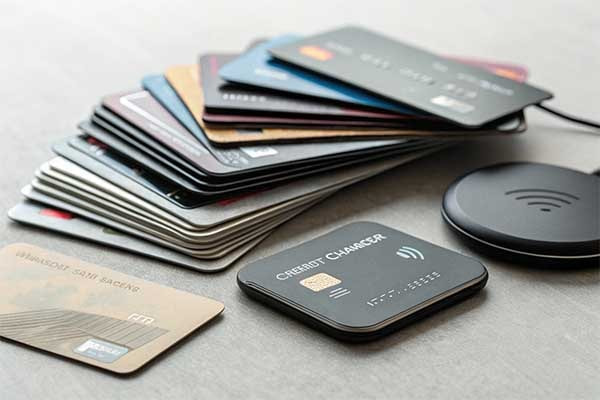
For instance, many people wonder if their credit cards can be harmed by a wireless charger (Problem). The idea of card data being wiped or overheated by invisible fields feels worrisome (Agitation). We explain how wireless charging really works and whether these fears are founded (Solution).
'Can a wireless phone charger ruin a credit card?' The answer is usually no. Wireless chargers emit alternating electromagnetic fields that normally won’t erase a credit card’s chip or stripe. Apple cautions that, in theory, a charger might damage a magnetic strip, but tests show many cards survive wireless charging undamaged. In practice, a standard wireless charger used properly should not ruin your card. Always follow device instructions: avoid stacking cards or metal objects on a charger.
Many users fear the magnetic field or heat will erase card data. Wireless chargers work by creating a changing magnetic field that powers the phone. This field is at a high frequency, which an Android expert said is "too high a frequency to affect a magnetic strip". Unlike a steady magnet (like a fridge magnet, which can erase a stripe), the charger’s field is not static. We know that such alternating fields rarely demagnetize a card.
Apple’s support says, "Don’t place credit cards ... between your iPhone and MagSafe Charger, because this might damage magnetic strips or RFID chips". Samsung’s help pages give a similar warning, noting that an electromagnetic wireless pad could damage bank cards. A tech blog also advises removing metal: "Remove metal objects such as keys, coins, or credit cards ... when wirelessly charging". These warnings show that while actual damage is unlikely, manufacturers still suggest caution to avoid interference or overheating.
However, practical tests usually show cards survive charging without issue. For example, one phone case maker tested Qi charging with up to three credit cards attached and found all cards worked normally afterward. Many users report that normal Qi charging does not erase their card stripes in everyday use. The card’s chip is sealed in plastic and is generally safe from these fields. Since most new cards rely on EMV chips for transactions, the magnetic stripe is becoming less critical.
Wireless chargers can still cause other issues if used improperly. For example, if a card is trapped between a phone and the pad, both devices can heat up. Overheating may warp the card or damage its chip. One guide warns that a wireless charger can "generate heat which can potentially damage sensitive electronics" if objects touch it too long. We always tell customers to keep cards and metals away from the pad while charging.
Another concern is data security. Some may worry a charger could read a card’s RFID chip. In reality, Qi chargers do not have any data antennas; they only generate a magnetic field to send power. They cannot read or transmit your card’s data. Qi uses about 100–200 kHz, whereas card RFID (NFC) uses 13.56 MHz. These are very different systems, so the risk of data theft by the charger is essentially zero.
Below is a summary table that compares these concerns and precautions.
Wireless Charging Security Concerns
| Concern | Potential Impact | Mitigation |
|---|---|---|
| Electromagnetic interference (EMI) | Chargers emit fields that might affect nearby electronics or confuse RFID chips if in contact | Use certified chargers; keep metal or RFID cards away from the pad |
| Overheating | Phone or cards may overheat if a card is pressed between phone and pad | Remove cards from device or pad while charging and ensure vents are clear |
| Data leaks | Qi chargers do not transmit card data, so this risk is effectively none | Use secure payment methods; note that chargers cannot read RFID/NFC |
| Magnetic damage | A card’s magnetic strip or chip could be weakened if placed directly on a strong field | Keep credit cards away from magnets and charging coils; follow manufacturer advice:contentReference[oaicite:11]{index=11} |
Conclusion
Wireless phone chargers cannot ruin credit cards due to fundamental differences in their technologies and magnetic field strengths. Modern credit cards use EMV chips as their primary data storage method, which are immune to magnetic interference. The magnetic strips require exposure to fields of 4,000+ gauss to suffer damage, while wireless chargers generate only 100-200 gauss. This significant difference ensures safe coexistence of wireless charging and credit cards in your daily life.