Are Neodymium Speakers Better?
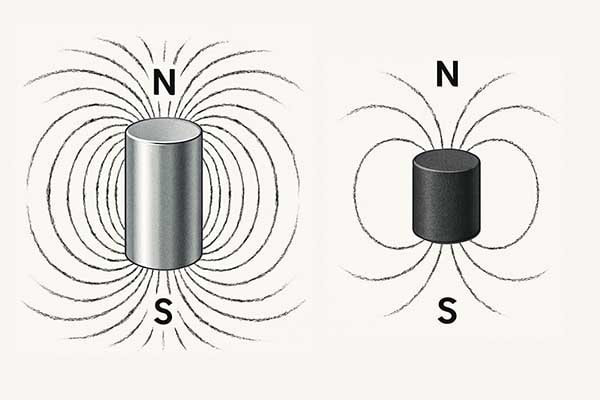
Choosing the right speaker magnet affects sound quality and portability. Neodymium speakers promise strong performance, but are they truly better?
Neodymium speakers use neodymium-iron-boron magnets, which are smaller, lighter, and stronger than traditional ferrite magnets. This results in compact, efficient speakers with improved sound clarity, power, and portability, making them superior for many applications.
Let’s explore what neodymium speakers are and why they stand out.
Table of Contents
What is a neodymium speaker?

Neodymium speakers use magnets made from a neodymium-iron-boron (NdFeB) alloy. These magnets generate a powerful magnetic field that drives the speaker cone to produce sound.
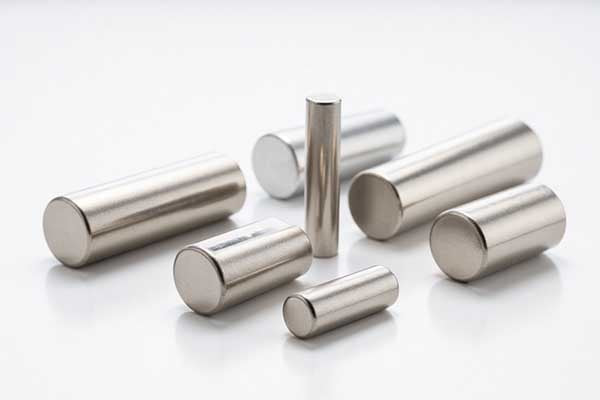
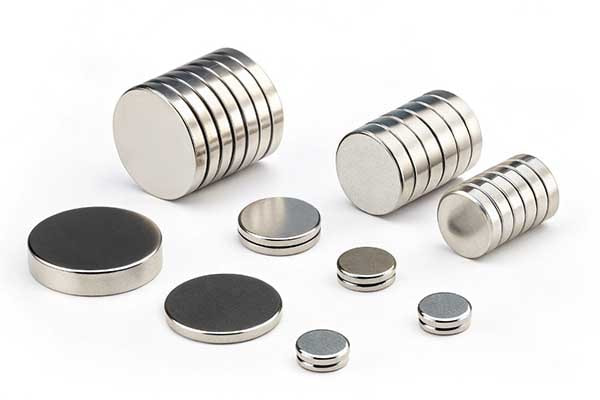
Neodymium speakers feature magnets composed mainly of neodymium, iron, and boron. These magnets are much stronger pound for pound than ferrite or alnico magnets. Their compact size and high magnetic flux density enable smaller, lighter speakers with excellent sound quality and efficiency.
The core of a speaker’s sound production is the interaction between the voice coil and the magnet. Neodymium magnets create a stronger magnetic field in a smaller volume, allowing designers to build speakers that are both powerful and lightweight. This is especially valuable in portable audio devices, professional sound systems, and car audio.
Composition, Advantages, and Applications of Neodymium Speakers
Neodymium magnets are not pure neodymium metal but an alloy with iron and boron, known as Nd2Fe14B. This combination offers exceptional magnetic strength and stability.
Characteristics of Neodymium Speakers Compared to Ferrite Speakers
| Feature | Neodymium Speaker | Ferrite Speaker |
|---|---|---|
| Magnet Strength | Very high magnetic flux density | Lower magnetic strength |
| Size and Weight | Compact and lightweight | Bulkier and heavier |
| Efficiency | Higher efficiency, less power needed | Lower efficiency |
| Sound Quality | Clearer, more accurate sound reproduction | Good but less precise |
| Heat Resistance | Moderate, improving with new tech | Generally higher heat tolerance |
| Cost | Higher due to rare earth materials | Lower cost |
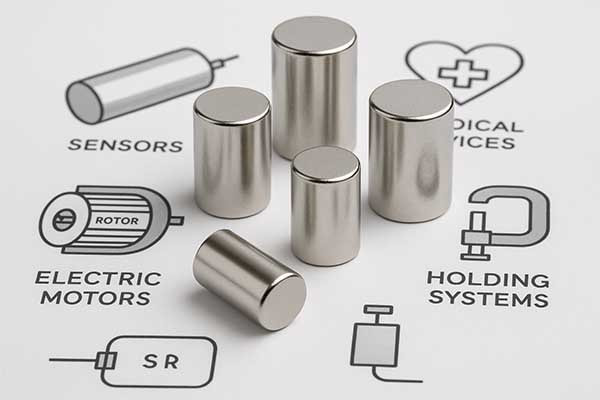
Applications of neodymium speakers range from compact earbuds and portable Bluetooth speakers to large professional PA systems and car audio. Their lightweight and strong magnetic field allow for innovative designs and superior audio performance.
Do stronger magnets make better speakers?
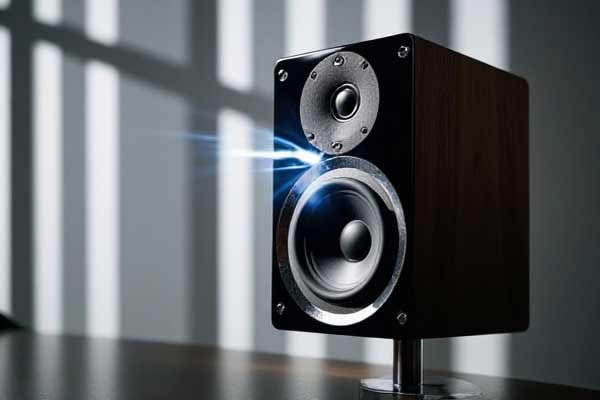
Are you tired of weak audio that fails to deliver the crisp sound you crave? Poor speaker performance can ruin your entire listening experience. Stronger magnets can transform your speakers into powerful audio machines that produce clearer, more dynamic sound.
Stronger magnets do make better speakers by creating more powerful magnetic fields that improve driver control and sound quality. The increased magnetic force allows voice coils to move more precisely, resulting in better frequency response, reduced distortion, and enhanced overall audio performance across all volume levels.
The relationship between magnet strength and speaker performance goes much deeper than most people realize. When I work with clients at M-Magnet, I often explain how magnetic field strength directly impacts every aspect of sound reproduction. The magnetic assembly in a speaker serves as the heart of the entire system, controlling how the voice coil moves within the magnetic gap.
The Science Behind Magnetic Speaker Performance
Speaker magnets create the foundation for all sound production in dynamic drivers. The voice coil sits within the magnetic field created by the permanent magnet. When electrical current flows through the voice coil, it interacts with the magnetic field to create movement. This movement pushes and pulls the speaker cone, which moves air to create sound waves.
Stronger magnets generate more intense magnetic fields. This increased field strength provides several key benefits. First, the voice coil experiences greater control throughout its range of motion. Second, the driver can handle more power without distortion. Third, the speaker responds more accurately to electrical signals from the amplifier.
The magnetic flux density in the gap where the voice coil operates determines how effectively the speaker converts electrical energy into mechanical motion. Higher flux density means more efficient energy conversion. This efficiency translates directly into better sound quality and higher output levels.
| Magnet Type | Magnetic Strength (MGOe) | Speaker Benefits |
|---|---|---|
| Ferrite | 3.5-4.5 | Basic performance, cost-effective |
| Neodymium | 35-52 | Superior control, compact design |
| AlNiCo | 5-9 | Vintage tone, temperature stable |
Real-World Impact on Audio Quality
The practical benefits of stronger magnets become obvious when you compare different magnet speakers side by side. I have tested countless speaker configurations in our manufacturing facility. Speakers with more powerful magnets consistently deliver better results across multiple performance metrics.
Bass response improves significantly with stronger magnets. The increased magnetic force provides better control over the large excursions needed for low-frequency reproduction. The voice coil stays properly centered within the magnetic gap, even during demanding bass passages. This centering prevents distortion and maintains clean, tight bass output.
Midrange clarity also benefits from enhanced magnetic strength. The improved voice coil control allows for more precise reproduction of vocal frequencies and instrumental details. The speaker can follow rapid changes in the audio signal without lag or overshoot. This accuracy becomes especially important for complex musical passages with multiple instruments.
High-frequency performance gains precision and extension with stronger magnetic systems. The enhanced control helps prevent voice coil rocking and other mechanical issues that can degrade treble response. The result is smoother, more extended high-frequency output with reduced distortion and improved detail retrieval.
Does adding a magnet to a speaker make it louder?
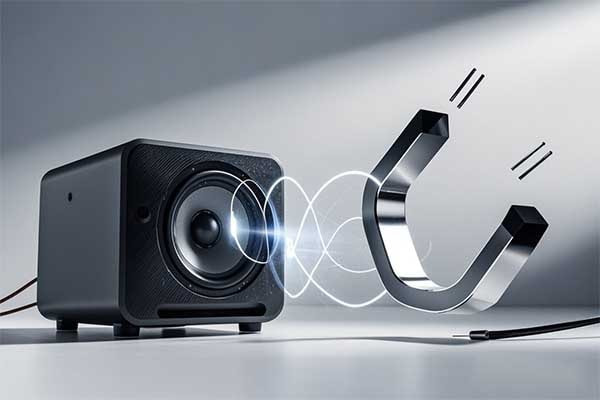
Do you struggle with speakers that lack the volume you need for your space? Insufficient loudness can leave you frustrated and searching for solutions. Adding or upgrading magnets can boost your speaker output and deliver the powerful sound you want.
Adding a stronger magnet to a speaker can make it louder by increasing the magnetic field strength, which improves the efficiency of the voice coil movement. This enhanced efficiency allows the speaker to convert more electrical power into acoustic output, resulting in higher volume levels and better overall performance.
The relationship between magnetic strength and speaker volume involves several interconnected factors that work together to increase acoustic output. When I consult with clients about upgrading their magnet speakers, I explain how magnetic field intensity directly affects the speaker's ability to convert electrical energy into sound energy.
Understanding Magnetic Field and Volume Relationship
Speaker volume depends on how effectively the driver converts electrical power into mechanical motion. The magnetic field strength determines this conversion efficiency. A stronger magnetic field creates more force on the voice coil for the same amount of electrical current. This increased force translates into greater cone movement and higher acoustic output.
The magnetic flux density in the voice coil gap controls how much force gets generated. Higher flux density means more force per unit of current. This relationship follows basic electromagnetic principles. When you increase the magnetic field strength, you increase the motor force that drives the speaker cone.
The efficiency gain from stronger magnets can be substantial. A speaker with double the magnetic field strength can produce significantly more volume with the same input power. This efficiency improvement becomes especially valuable in applications where power is limited or where maximum output is required.
Practical Considerations for Magnet Upgrades
Not all speakers can accommodate magnet upgrades easily. The speaker's frame and magnetic circuit design must support the larger or stronger magnet. The voice coil gap dimensions need to remain within proper tolerances to maintain performance. The overall weight distribution affects the speaker's mounting and handling characteristics.
Heat dissipation becomes more critical with stronger magnets and higher power handling. The enhanced performance often comes with increased thermal demands. Proper heat management prevents voice coil damage and maintains consistent performance during extended use.
| Upgrade Type | Volume Increase | Power Handling | Cost Factor |
|---|---|---|---|
| Ferrite to Neodymium | 3-6 dB | 50-100% increase | High |
| Larger Ferrite | 1-3 dB | 20-40% increase | Medium |
| Multiple Magnets | 2-4 dB | 30-60% increase | Variable |
Professional Applications and Custom Solutions
Professional audio applications often require custom magnetic solutions to achieve specific performance targets. At M-Magnet, we work with audio engineers to develop magnet assemblies that meet precise specifications. These custom solutions can provide dramatic improvements in both volume and sound quality.
The magnet configuration affects more than just volume levels. The magnetic field pattern influences frequency response, distortion characteristics, and power handling capabilities. A well-designed magnetic system can optimize all these parameters simultaneously.
Different applications require different approaches to magnetic enhancement. Home audio systems benefit from neodymium upgrades that provide more output in smaller enclosures. Professional sound reinforcement systems need magnets that can handle extreme power levels while maintaining reliability. Car audio systems require magnets that perform well in temperature extremes and vibration environments.
Temperature stability becomes crucial in demanding applications. Neodymium magnets can lose strength at high temperatures, while ferrite magnets remain more stable. The choice depends on the specific operating conditions and performance requirements.
The cost-benefit analysis varies depending on the application and performance goals. Simple ferrite magnet upgrades provide good value for moderate improvements. Neodymium conversions offer maximum performance gains but at higher cost. The right choice depends on your specific needs and budget constraints.
Modern manufacturing techniques allow for precise control over magnetic field patterns and strength. Advanced simulation software helps optimize magnet designs before production. These tools ensure that magnet upgrades deliver the expected performance improvements without unwanted side effects.
Quality control becomes essential when upgrading speaker magnets. The magnetic strength must meet specifications consistently. The mechanical fit must be precise to maintain proper voice coil alignment. Poor quality upgrades can actually harm speaker performance rather than improve it.
Installation considerations include proper demagnetization procedures and handling protocols. Strong magnets can damage sensitive electronic components if not handled properly. Professional installation ensures safe and effective upgrades that deliver the expected performance benefits.
Is neodymium the best magnet?
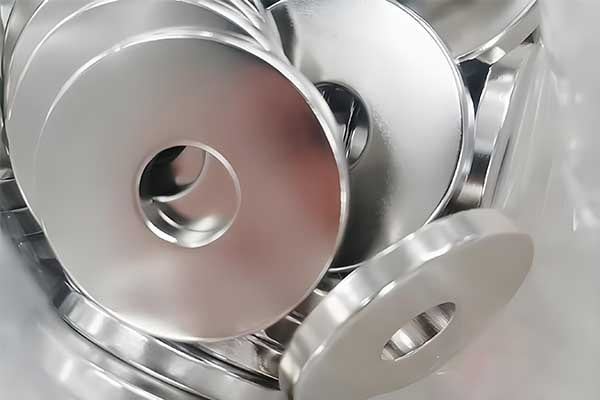
People often think there is one "best" magnet for all uses. This overlooks that "best" depends on specific needs, leading to confusion. Neodymium magnets are often considered the strongest permanent magnets, but "best" depends on the application's unique requirements.
Neodymium magnets are currently the strongest type of permanent magnet commercially available. While electromagnets can be made stronger for specific applications, in terms of permanent magnetism, neodymium iron boron (NdFeB) alloys offer the highest magnetic force in a compact size, surpassing all other permanent magnet types.
Exploring the Apex of Permanent Magnet Strength
As a neodymium magnet manufacturer, we work with these incredibly powerful materials every day. We understand why people wonder if any magnet can be stronger. The fact is, when we talk about permanent magnets, neodymium magnets are at the top. They have set a very high standard for magnetic strength.
Understanding Magnetic Strength and "Best"
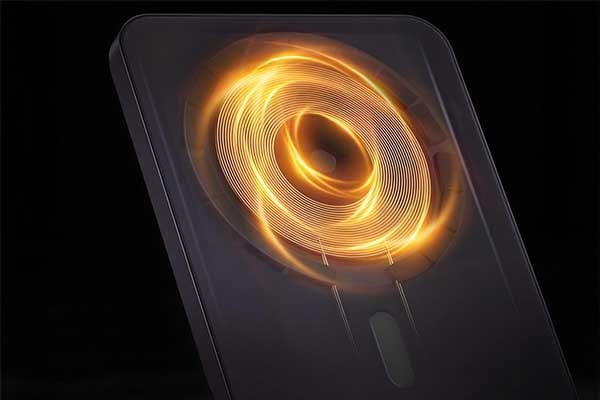
Magnetic strength is usually measured by a property called "maximum energy product," or BHmax. This value indicates how much magnetic energy a magnet can store per unit volume. Neodymium magnets, specifically those made from neodymium-iron-boron alloys, have the highest BHmax values among all permanent magnet materials. This means they can produce a very strong magnetic field from a relatively small size. This is what makes them so useful in modern technology, including MagSafe products where precise magnetic alignment is key.
However, "best" is not just about strength. It also depends on the specific job the magnet needs to do. For example, some applications need magnets to work in very high temperatures. Neodymium magnets can lose some of their magnetic properties at high temperatures. Other magnets, like Samarium Cobalt or Alnico, perform better in extreme heat. Also, neodymium magnets are more brittle. They can chip or break if dropped or handled roughly. They also need protective coatings to prevent rust, since they are prone to corrosion. Ferrite magnets, on the other hand, are less prone to corrosion and are much cheaper. They are also less brittle.
So, while a neodymium magnet offers unmatched strength for its size, its "best" use depends on balancing strength with other factors. These factors include temperature resistance, mechanical strength, corrosion resistance, and cost. For example, a neodymium magnet speaker benefits greatly from its high strength and small size, allowing for compact and powerful audio devices. But in a high-temperature industrial setting, a different magnet might be more suitable.
The Role of Electromagnets in Comparison
It is important to make a distinction between permanent magnets and electromagnets. A permanent magnet keeps its magnetism without any outside power. An electromagnet, however, creates a magnetic field only when an electric current flows through it. The strength of an electromagnet can be controlled by changing the amount of current. It can also be turned on and off.
In theory, electromagnets can be designed to create magnetic fields far stronger than any permanent magnet. For example, in scientific research, such as particle accelerators or magnetic levitation trains, scientists use incredibly powerful electromagnets. These electromagnets need huge amounts of electricity. They also often need special cooling systems to operate. They are not permanent magnets because they need a continuous power supply to maintain their magnetic field.
So, while an electromagnet can be made stronger than a neodymium magnet, it is not a permanent magnet. It works on a different principle. For applications where a constant magnetic field is needed without continuous power input, neodymium magnets remain the strongest permanent choice. Our expertise at M-Magnet Company lies in providing customized solutions that leverage the unique properties of various magnet types, ensuring the right magnet for the right application.
Comparison of Common Permanent Magnet Types
| Magnet Type | Relative Magnetic Strength (BHmax) | Temperature Resistance | Brittleness/Corrosion | Cost |
|---|---|---|---|---|
| Neodymium (NdFeB) | Highest | Moderate (degrades at high temps, typically above 80-200°C) | Brittle, prone to corrosion (needs coating) | Higher |
| Samarium Cobalt (SmCo) | High (Second to Neodymium) | Excellent (up to 300°C or more) | Less brittle, good corrosion resistance | Very High (due to Cobalt) |
| Alnico | Moderate | Very Good (up to 550°C) | Less brittle, excellent corrosion resistance | Moderate to High (can be less than Neodymium for same energy) |
| Ferrite (Ceramic) | Lowest | Good (up to 300°C) | Brittle, excellent corrosion resistance | Lowest |
Which is better neodymium or alnico speakers?
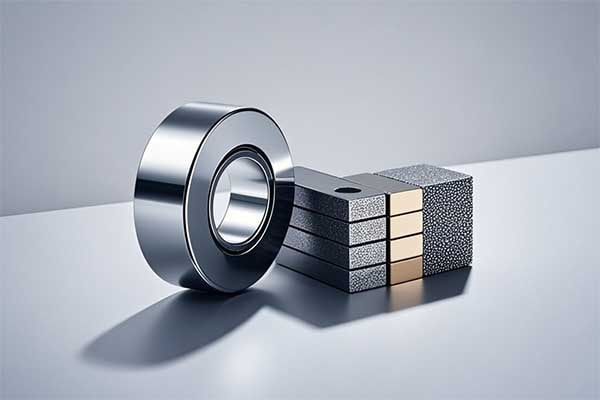
Audio enthusiasts debate between neodymium and alnico magnets for speakers. Agitation: Choosing the right magnet affects sound quality, size, and cost, causing uncertainty. Solution: Neodymium and alnico magnets offer distinct advantages for speakers, with "better" depending on desired audio characteristics and design.
Neodymium magnet speakers are generally more efficient, lighter, and allow for smaller designs, often providing a cleaner, more powerful sound. Alnico speakers, while larger and often less efficient, are prized by some for their unique "vintage" tonal qualities, warmer response, and specific harmonic characteristics, particularly in guitar amplifiers.
A Detailed Comparison of Neodymium and Alnico in Speakers
I see firsthand the impact of magnet choice in various applications, including speakers. The choice between neodymium and alnico magnets for speakers is not about one being simply "better" than the other in all cases. Instead, it is about different design goals and desired sound characteristics. Both have their strengths and weaknesses.
The Role of Magnets in Speakers
First, let's understand how magnets work in a speaker. A speaker uses a permanent magnet and a voice coil. The voice coil is an electromagnet.
When an audio signal (an electrical current) passes through the voice coil, it creates a changing magnetic field. This field interacts with the strong, steady magnetic field of the permanent magnet.
This interaction causes the voice coil to move rapidly back and forth. The voice coil is attached to the speaker cone.
As the voice coil moves, it makes the cone vibrate. This vibration creates sound waves that we hear. The type and strength of the permanent magnet greatly influence how well the speaker performs.
It also affects the sound it produces. This is especially true for a neodymium magnet speaker.
Characteristics of Neodymium Magnet Speakers
Neodymium magnets are very strong for their size. This strength offers several key benefits for speaker design:
Compact Size and Lightweight: Because neodymium magnets are so powerful, a smaller magnet can create a strong magnetic field. This means speaker drivers can be made much smaller and lighter. This is a huge advantage for portable speakers, headphones, car audio, and line array systems where space and weight are critical.
High Efficiency and Power Handling: The strong magnetic field from a neodymium magnet means the voice coil needs less power to move the speaker cone. This results in higher efficiency. Speakers with neodymium magnets can produce more sound output with less amplifier power. They also often have better power handling capabilities. This allows them to play louder without distorting.
Modern, Clear Sound: The powerful and precise magnetic field allows for very accurate control over the speaker cone's movement. This can lead to a more precise and detailed sound reproduction. Many modern audiophiles find that neodymium magnet speaker designs offer very clear highs, detailed mid-range, and tight, well-defined bass. This clarity makes them popular in high-fidelity audio systems.
Cost-Effectiveness for Performance: While neodymium magnets themselves are more expensive per pound than ferrite, their superior strength means you need less material for the same performance. This can sometimes make the overall cost of a high-performance, compact speaker system more economical than using a larger, heavier ferrite magnet.
Characteristics of Alnico Speakers
Alnico magnets were the standard in speaker design for many decades before ferrite and neodymium magnets became common. They are alloys of Aluminum, Nickel, and Cobalt. They have a distinct set of characteristics:
"Vintage" or "Warm" Tone: Many musicians, especially guitarists, love the sound of alnico speakers. They are often described as having a "warm," "smooth," or "vintage" tone. This distinct sound comes from their unique magnetic properties. Alnico magnets react differently to the voice coil's changing magnetic field. This creates certain harmonic qualities and a particular kind of natural compression or "sag" when pushed hard. This gives a very musical and responsive feel.
Lower Strength, Larger Size: Alnico magnets are not as strong as neodymium magnets. To achieve a sufficient magnetic field for a speaker, alnico magnets need to be much larger and heavier than neodymium magnets. This makes alnico speakers bulkier and less suitable for compact designs.
Good Temperature Stability: Alnico magnets can withstand very high temperatures without losing their magnetism. This makes them very durable in demanding environments, like inside a hot tube amplifier.
Demagnetization Concerns: One downside of alnico magnets is that they can be partially demagnetized if subjected to severe shock or over-current conditions. While they can be re-magnetized, this is a consideration for long-term durability in certain applications.
Cost: The high cost of cobalt, a key ingredient in alnico, makes these magnets expensive. Sometimes, for a given strength, alnico magnets can be more expensive than neodymium. This is especially true if you need a large alnico magnet to match the power of a smaller neodymium one.
Which is "Better"? It Depends on the Goal
The choice truly depends on the application:
For modern, portable, or high-efficiency designs where size and weight are critical, and a clean, powerful sound is desired, a neodymium magnet speaker is often the better choice. Think about headphones, slim soundbars, or professional line array speakers.
For guitar amplifiers or vintage audio equipment where a specific "classic" warm tone, responsiveness, and a certain aesthetic are preferred, alnico speakers remain highly prized. Many guitar players will specifically seek out alnico speakers for their unique sound characteristics.
At M-Magnet Company, we manufacture a wide range of magnets. We offer <a href="/" target="_blank>magnet customized solutions for all types of speakers. We understand that the "best" magnet is the one that perfectly fits the design and acoustic goals of the speaker system.
Neodymium vs. Alnico Magnets in Speakers
| Feature | Neodymium Magnet Speakers | Alnico Magnet Speakers |
|---|---|---|
| Magnetic Strength | Very high for size; allows compact designs. | Moderate; requires larger, heavier magnets for comparable field. |
| Size & Weight | Compact and lightweight; ideal for portable and slim designs. | Larger and heavier; contributes to traditional speaker cabinet size. |
| Sound Characteristics | Clean, clear, powerful, precise, detailed; tight bass. | Warm, smooth, "vintage" tone; natural compression/sag. |
| Efficiency | High; requires less amplifier power for output. | Lower than Neodymium; may need more amplifier power. |
| Temperature Stability | Moderate; specific grades for higher temps needed. | Excellent; maintains properties well at high temperatures. |
| Cost | Higher per magnet, but less material needed for performance. | High, especially due to Cobalt content and larger size needed. |
Can neodymium magnets damage speakers?
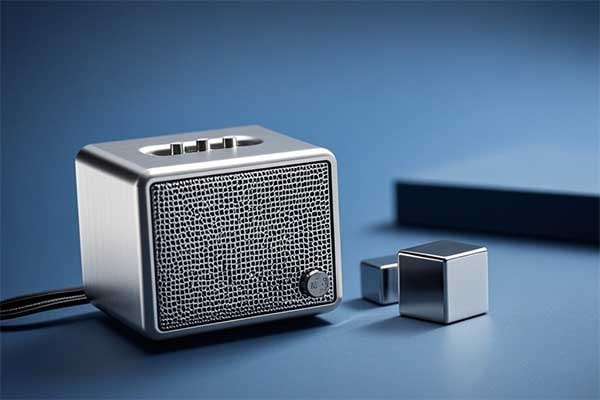
Strong neodymium magnets are key to speaker performance but raise concerns about potential damage to speakers or nearby electronics.
Neodymium magnets themselves do not damage speakers if properly integrated. They generate a strong magnetic field that drives the speaker’s voice coil efficiently. However, external strong magnets can interfere with magnetic sensors or components in electronic devices, including speakers, if placed improperly.
Speakers are designed with magnets as core components. The internal neodymium speaker magnet creates a controlled magnetic field to move the diaphragm and produce sound. External magnets, if very strong, might distort magnetic fields or damage sensitive parts, but typical use poses little risk.
Magnetic Effects on Speaker Performance and Safety
Neodymium speaker magnets are chosen for their high magnetic flux density and compact size. This allows speakers to be smaller and more efficient without sacrificing sound quality.
Comparison of Magnetic Effects on Speakers and Electronics
| Aspect | Neodymium Speaker Magnet | External Strong Magnet |
|---|---|---|
| Function | Drives voice coil for sound production | May interfere with magnetic sensors or components |
| Risk to Speaker | Minimal if designed correctly | Possible distortion or damage if very close |
| Effect on Nearby Electronics | Negligible due to shielding | Can erase data or disrupt sensors |
Manufacturers use magnetic shielding and strategic placement to minimize interference. Speakers with neodymium magnets often include shielding to protect both the speaker and nearby devices.
At M-Magnet, we provide precision neodymium magnets optimized for speaker performance and safety, ensuring strong magnetic fields without unwanted side effects.
Conclusion
Neodymium speakers outperform traditional ferrite speakers in strength, size, weight, and efficiency. Their strong magnetic field enables clearer, more accurate sound and allows for compact, lightweight designs. Though costlier, neodymium speakers are ideal for portable devices, professional audio, and car systems. At M-Magnet, we specialize in producing high-quality neodymium magnets that elevate speaker performance across applications.