How Permanent Magnets Can Be Demagnetized?
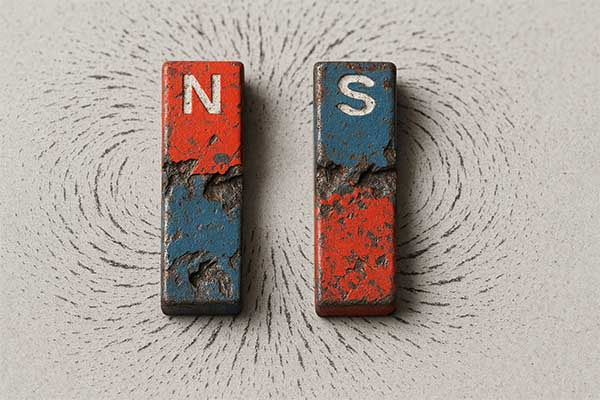
Permanent magnets are widely used but can lose their magnetism. What causes this? Understanding demagnetization is key to using magnets well.
Permanent magnets can be demagnetized by heat, strong opposing magnetic fields, physical damage, or time-related decay. Knowing these factors helps maintain magnet performance in applications.
Keep reading to learn how permanent magnets lose their strength and what types exist.
Table of Contents
What are permanent magnets?
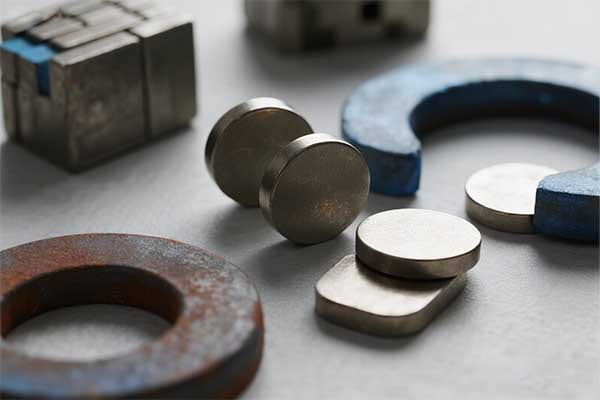
Permanent magnets provide constant magnetic fields without external power. What types of permanent magnets exist and how do they differ? Knowing their types helps understand their strengths and weaknesses.
Permanent magnets are materials (like iron, neodymium, cobalt or ferrite) that generate their own persistent magnetic field without external power. They retain magnetism indefinitely and are used in motors, speakers, and fridge magnets.
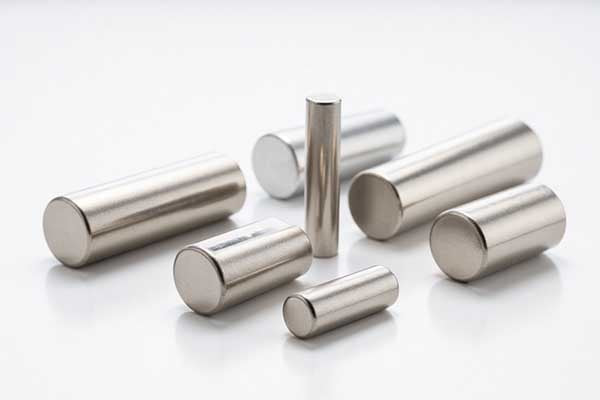
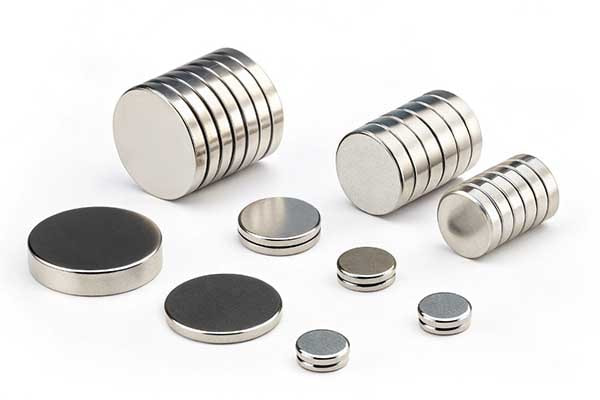
The main types of permanent magnets are Neodymium Iron Boron (NdFeB), Samarium Cobalt (SmCo), Alnico, and Ceramic (Ferrite). Each has unique magnetic strength, temperature tolerance, and cost.
Types of Permanent Magnets
| Type | Magnetic Strength | Temperature Resistance | Cost |
|---|---|---|---|
| NdFeB | Very High | Moderate (up to ~150°C) | Moderate |
| SmCo | High | High (up to ~350°C) | High |
| Alnico | Moderate | Very High (up to ~540°C) | Moderate |
| Ceramic (Ferrite) | Low to Moderate | Moderate (up to ~250°C) | Low |
Permanent magnets like NdFeB are the strongest commercially available but can lose magnetism if exposed to heat above their Curie temperature or strong opposing magnetic fields. SmCo magnets resist heat better but cost more. Alnico magnets tolerate high heat but have weaker magnetic strength. Ceramic magnets are inexpensive but less powerful. These differences influence how magnets are chosen for applications and how vulnerable they are to demagnetization.
How Demagnetization Happens
Demagnetization occurs when the magnetic domains inside a magnet lose alignment. This can happen due to:
Heat: Heating above a magnet’s Curie temperature disrupts domain alignment permanently.
Opposing Magnetic Fields: Strong external fields can reverse or randomize domains.
Physical Shock: Dropping or hitting magnets can disturb domain alignment.
Time/Aging: Slow loss of magnetism over years, especially if exposed to adverse conditions.
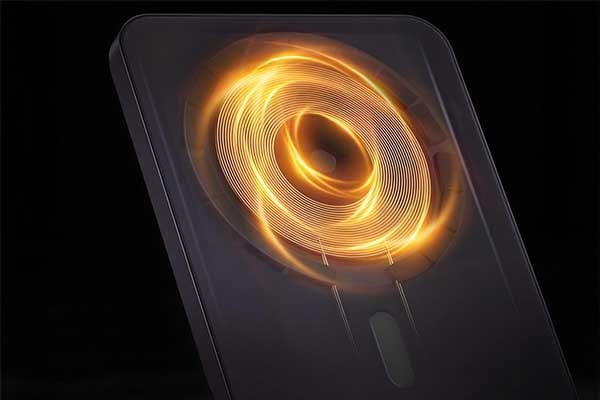
Understanding these mechanisms helps in designing and protecting magnets for long-term use, especially permanent magnets like NdFeB used in MagSafe products and other high-tech devices.
How permanent magnets are made?
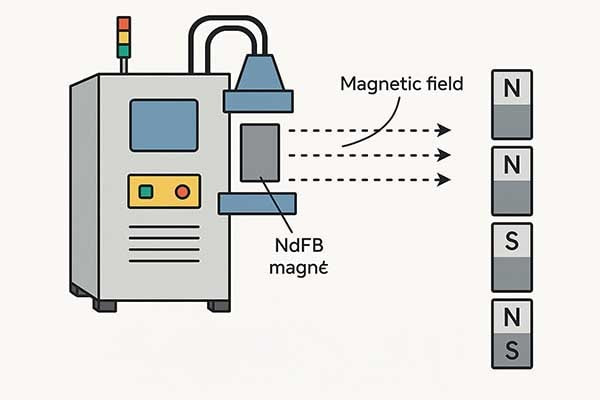
Creating a magnet that never loses its strength can be a challenge. Manufacturers work to produce stable materials that resist time and temperature.
Permanent magnets are made by mixing magnetic metals, pressing them into shape, and heating them to align internal structures before cooling to lock in magnetic properties.
Permanent magnets are made from ferromagnetic materials like neodymium, samarium-cobalt, ferrite, or alnico. The process starts with the preparation of a metal alloy, which is ground into fine powder. That powder is pressed into a specific shape using hydraulic or isostatic pressure, often in the presence of a magnetic field to align the grains.
Once shaped, the material is sintered at high temperatures. This step causes the particles to bond together and form a solid, dense magnet. After sintering, the magnet is cooled and magnetized with a powerful external magnetic field. This field causes the magnetic domains inside the material to align in the same direction. That alignment gives the magnet its permanent magnetic field.
Different materials produce magnets with different strengths and temperature tolerances. For example, neodymium magnets are very strong but can lose strength if exposed to high temperatures. Ferrite magnets are weaker but perform better in hot environments. At M-Magnet, we manufacture a wide range of permanent magnets to suit different industrial needs.
Comparison of Common Permanent Magnet Materials
| Material | Strength | Heat Resistance | Common Uses |
|---|---|---|---|
| Neodymium (NdFeB) | Very High | Low to Medium | Electronics, Motors |
| Ferrite | Medium | High | Speakers, Fridges |
| Samarium-Cobalt | High | Very High | Aerospace, Sensors |
These production steps determine how permanent the magnet will be. A good-quality magnet will resist demagnetization caused by heat, vibration, or opposing magnetic fields. This is why our team ensures each batch of material is tested and aligned correctly during sintering and magnetizing.
How do permanent magnets work?
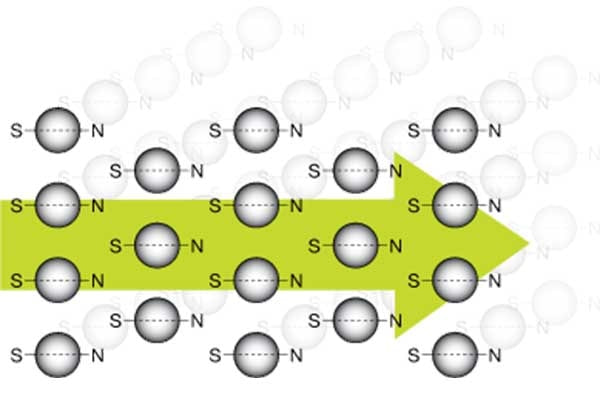
Magnets attract and repel objects, but the science behind it is not magic. It is based on the alignment of atoms.
Permanent magnets work by having atoms whose magnetic moments are aligned, creating a constant magnetic field that affects ferromagnetic materials like iron or nickel.
All matter is made up of atoms. Inside atoms, electrons spin and move, generating tiny magnetic fields. In most materials, these fields cancel out because the spins are in random directions. But in ferromagnetic materials, groups of atoms called magnetic domains can align. When most domains in a material point the same way, the material becomes magnetized.
In permanent magnets, that alignment is fixed. Once the domains are aligned during production, they remain in that state unless exposed to a strong external force. That force might be heat, shock, or another magnetic field in the opposite direction. If enough of these domains are reversed or disrupted, the magnet can become weaker or even fully demagnetized.
Permanent magnets do not need electricity to work. They can attract ferromagnetic materials like steel indefinitely. That is why they are used in so many applications, from electric motors to magnetic phone holders. For example, a MagSafe case with ring uses a built-in permanent magnet to attach securely to wireless chargers or car mounts. This magnet needs to hold strong over time, which is only possible with the correct permanent magnetic material and production method.
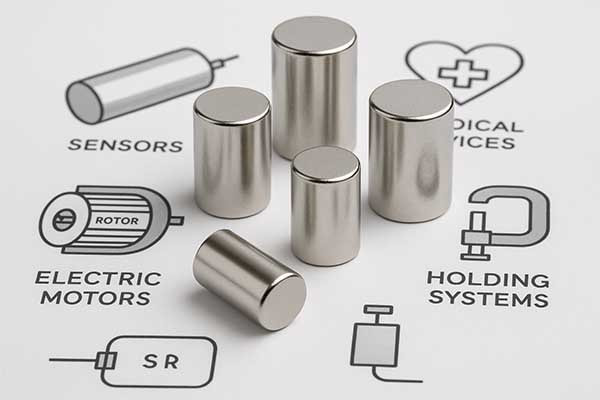
Permanent magnets also interact with other fields. They can generate force in electric motors, trigger sensors, or hold objects in place. Their performance depends on the material’s intrinsic properties, size, and shape. The magnetism is strongest at the poles and decreases with distance.
How Permanent Magnets Behave in Magnetic Fields
| Behavior | Explanation | Example |
|---|---|---|
| Attracts ferromagnetic objects | Magnetic field pulls iron or steel closer | Fridge magnets hold notes |
| Interacts with other magnets | Like poles repel, unlike poles attract | Two magnets snap together |
| Generates force in motion | Magnetic field turns electric motor parts | DC motor uses magnets inside |
Knowing how magnets work helps engineers design devices with longer lifespan and better performance. At M-Magnet, we work closely with global partners to supply permanent magnets that meet exacting standards, especially for applications like wireless charging systems require tight magnetic field control.
Permanent magnets power countless devices. They work because of basic atomic structure, yet their behavior depends on advanced material science and production quality.
What is the difference between a permanent magnet and a regular magnet?
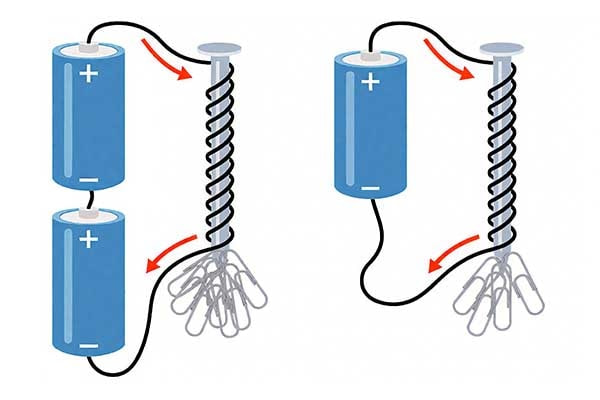
Many people think all magnets work the same way. This belief causes confusion when choosing magnets for projects. The truth is that permanent magnets and regular magnets have key differences that affect their performance and applications.
Permanent magnets retain their magnetic properties without external power, while regular magnets (electromagnets) require electrical current to maintain magnetism. Permanent magnets use materials like neodymium or ferrite, whereas electromagnets use iron cores wrapped with wire coils.
Understanding Magnetic Classifications
The distinction between permanent and regular magnets goes beyond simple definitions. Scientists classify magnets based on their magnetic behavior and source of magnetism. Permanent magnets generate magnetic fields through the alignment of magnetic domains in their material structure. These domains remain aligned even after the magnetizing force is removed.
Regular magnets, specifically electromagnets, create magnetic fields through electrical current flowing through wire coils. When electricity flows through the coil, it generates a magnetic field around the conductor. This field can be controlled by adjusting the current strength or direction.
The manufacturing process also differs significantly between these magnet types. M-Magnet produces permanent magnets through powder metallurgy techniques, where magnetic powders are pressed and sintered under high temperature and pressure. This process creates strong, stable magnetic domains that persist without external energy input.
| Magnet Type | Power Source | Magnetic Strength Control | Typical Applications |
|---|---|---|---|
| Permanent Magnet | No External Power | Fixed Strength | Motors, Speakers, MagSafe |
| Electromagnet | Electrical Current | Variable Strength | Cranes, MRI Machines, Relays |
Practical Applications and Performance Differences
The choice between permanent and regular magnets depends on specific application requirements. Permanent magnets excel in situations where consistent magnetic force is needed without power consumption. Electric motors in household appliances use permanent magnets because they provide reliable torque without consuming additional electricity.
Electromagnets prove superior when variable magnetic strength is required. Industrial lifting equipment uses electromagnets because operators can control the magnetic force by adjusting electrical current. They can also completely turn off the magnetic field to release loads safely.
Cost considerations also influence magnet selection. Permanent magnets require higher initial investment but have no operating costs. Electromagnets cost less initially but consume electricity continuously during operation. For applications requiring constant magnetic fields, permanent magnets typically provide better long-term value.
Demagnetization resistance varies significantly between magnet types. Permanent magnets can lose their magnetism through heat, strong opposing magnetic fields, or physical shock. However, quality permanent magnets from manufacturers like M-Magnet maintain their properties for decades under normal conditions. Electromagnets simply stop working when power is removed, but they resume full strength when power is restored.
Is a permanent magnet hard or soft?

People often confuse magnetic properties with physical hardness. This confusion leads to incorrect assumptions about magnet performance. Physical hardness and magnetic hardness are completely different characteristics that affect magnet behavior in distinct ways.
Permanent magnets are magnetically hard, meaning they resist demagnetization and maintain their magnetic properties over time. Physical hardness varies by material, with neodymium magnets being relatively brittle while ferrite magnets are more physically durable.
Magnetic Hardness vs Physical Hardness
Magnetic hardness refers to a material's ability to maintain its magnetization after the magnetizing force is removed. This property depends on the material's coercivity, which measures resistance to demagnetization. High coercivity materials make excellent permanent magnets because they retain their magnetic domains even under adverse conditions.
Physical hardness describes a material's resistance to scratches, dents, and other mechanical damage. This property relates to the material's crystal structure and bonding strength. A material can be magnetically hard but physically soft, or vice versa.
Neodymium magnets exemplify this distinction perfectly. They exhibit exceptional magnetic hardness with coercivity values exceeding 10,000 Oersteds. However, they are physically brittle and can chip or crack if dropped or subjected to impact. This brittleness requires careful handling during installation and use.
| Magnet Material | Magnetic Hardness | Physical Hardness | Coercivity (Oersteds) |
|---|---|---|---|
| Neodymium | Very Hard | Brittle | 10,000-15,000 |
| Ferrite | Hard | Durable | 3,000-4,000 |
| Alnico | Medium Hard | Hard | 600-2,000 |
Factors Affecting Magnetic Hardness
Several factors influence a permanent magnet's magnetic hardness and resistance to demagnetization. Crystal structure plays a crucial role, with materials having uniaxial anisotropy typically showing higher coercivity. The grain size and orientation of magnetic domains also affect magnetic hardness.
Temperature significantly impacts magnetic hardness. All permanent magnets have a Curie temperature where they lose their magnetic properties completely. Below this temperature, magnetic hardness decreases as temperature increases. This relationship explains why permanent magnets can be demagnetized through excessive heat exposure.
Manufacturing processes affect magnetic hardness through grain structure control. M-Magnet uses advanced sintering techniques to optimize grain boundaries and magnetic domain alignment. These processes create magnets with superior magnetic hardness and demagnetization resistance.
External magnetic fields can reduce magnetic hardness if they exceed the material's intrinsic coercivity. Strong opposing magnetic fields can reverse magnetic domains, permanently reducing the magnet's strength. This phenomenon becomes more likely at elevated temperatures where magnetic hardness naturally decreases.
Understanding magnetic hardness helps in selecting appropriate magnets for specific applications. Applications requiring high demagnetization resistance, such as motors operating in high-temperature environments, need magnets with exceptional magnetic hardness. Conversely, applications with minimal demagnetization risks can use magnets with lower magnetic hardness at reduced cost.
Practical Implications for Magnet Selection
The magnetic hardness of permanent magnets directly affects their suitability for different applications. High magnetic hardness enables magnets to maintain performance in challenging environments with temperature variations, opposing magnetic fields, and mechanical stress.
MagSafe applications benefit from magnets with high magnetic hardness because they experience repeated attachment and detachment cycles. Each cycle creates mechanical stress and potential exposure to opposing magnetic fields from electronic devices. Magnets with insufficient magnetic hardness would gradually lose strength over time.
Industrial applications often require magnets that can withstand harsh conditions without demagnetization. Motors, generators, and magnetic separators operate in environments with temperature fluctuations, vibrations, and strong magnetic fields. Only magnets with appropriate magnetic hardness can maintain consistent performance in these demanding conditions.
The relationship between magnetic hardness and demagnetization resistance explains why permanent magnets can be demagnetized despite their "permanent" designation. Understanding this relationship helps users select appropriate magnets and implement proper handling procedures to prevent demagnetization.
Are permanent magnets forever?
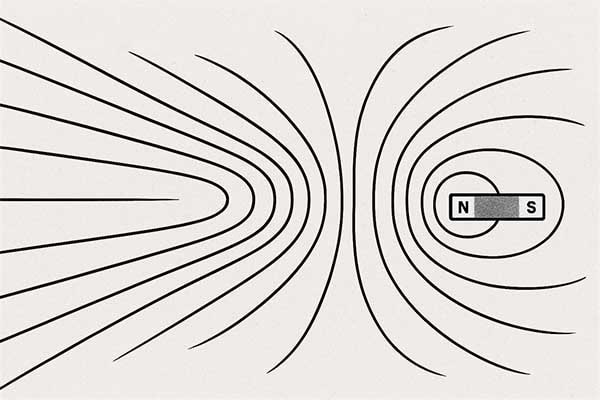
People assume permanent magnets last indefinitely. Losing magnetism can disrupt devices and projects. Knowing their limits helps maintain their performance.
Permanent magnets are not forever. They can lose magnetism due to heat, physical shock, or strong external fields. Proper care, as advised by M-Magnet Company, ensures they last longer.
Factors Affecting Magnet Longevity
Permanent magnets are designed to hold their magnetic field for a long time. However, they are not immune to demagnetization. Several factors can weaken or destroy their magnetism. Heat is a primary culprit. Each magnet has a Curie temperature, above which its magnetic domains become disordered. For neodymium magnets, this is around 310°C. Even lower temperatures, like 80°C, can cause gradual loss if sustained.
Physical shock is another factor. Dropping a magnet or striking it hard can misalign its domains. This is especially true for brittle materials like neodymium. Strong external magnetic fields can also disrupt a magnet’s alignment. For example, placing a permanent magnet near a powerful electromagnet can reorient its domains, reducing its strength.
Let’s think critically. While permanent magnets are built for durability, their environment matters. At M-Magnet Company, we test our magnets for resilience. But users must avoid extreme conditions. For instance, a magnet in a smartphone’s MagSafe system faces minimal risk under normal use. However, leaving it in a hot car or near heavy machinery could weaken it.
Factors Causing Demagnetization
| Factor | Effect | Prevention |
|---|---|---|
| High Temperature | Disrupts domains | Keep below Curie point |
| Physical Shock | Misaligns domains | Handle with care |
| External Fields | Reorients domains | Avoid strong magnets |
On the flip side, proper care extends a magnet’s life significantly. Storing magnets away from heat sources and strong fields is key. I’ve seen clients use our magnets for years without issues when they follow these guidelines. However, neglecting these factors can lead to unexpected failures. This balance of durability and vulnerability makes understanding demagnetization critical for users.
Conclusion
Permanent magnets come in various types, each with distinct strengths and vulnerabilities. Demagnetization mainly results from heat, opposing fields, physical damage, or aging. Knowing these factors helps maintain magnet performance and select the right magnet for each use, ensuring reliability in applications like MagSafe technology and beyond.
About Blogger
Benjamin Li
Operation Manager of M-Magnet Company
I will bring you a full range of magnet knowledge and manufacturing experience on neodymium magnets and MagSafe magnet solutions through blogs and emails. I'm not an expert yet in magnets, but we have a whole team to help you solve technical issues, design drawing details, compatibility suggestions from magnetic assemblies, magnet purchasing and many other customized magnet solutions from China. You can follow my blogs on knowledge sharing or contact me for your own magnet solutions. We will always do the best.