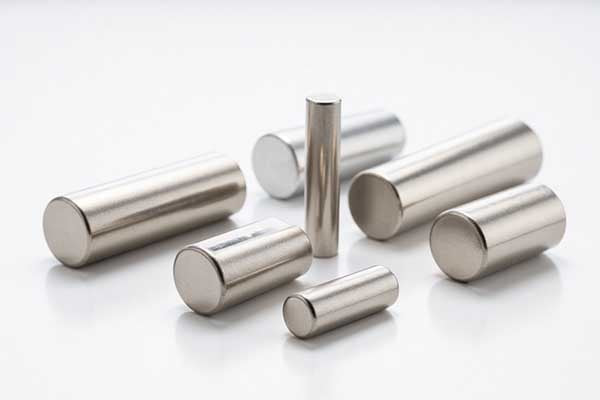
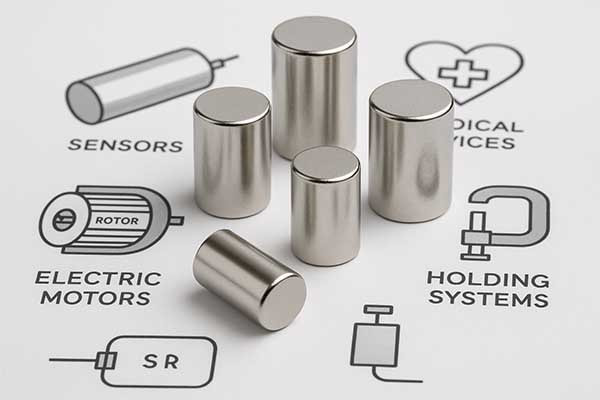
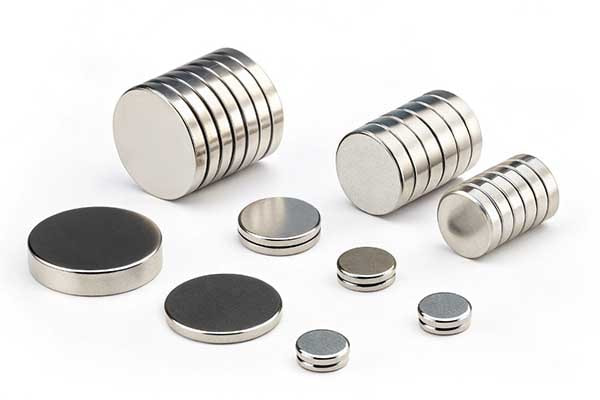
What is a rare earth magnet?

Are you curious about the powerful magnets that make modern technology work? I am too. These magnets are called rare earth magnets, and they are essential in many devices we use every day.
Rare earth magnets are incredibly strong magnets made from rare earth elements. They are used in various applications, from small electronics to large industrial machines. These magnets have unique properties that make them indispensable in modern technology.
Transition paragraph: Let's dive deeper into the world of rare earth magnets and explore their fascinating characteristics and uses.
Table of Contents:
What is another name for rare earth magnets?
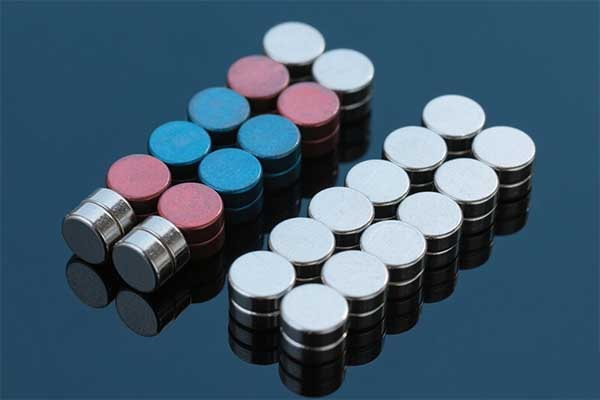
Do you know that rare earth magnets have another name? Many people call them neodymium magnets. This name comes from one of the main elements used to make these magnets.
Another name for rare earth magnets is neodymium magnets. This name is used because neodymium is a key element in their composition. Neodymium magnets are known for their high strength and are widely used in various industries.
Let's take a closer look at why neodymium is so important in making these magnets.
Neodymium is a rare earth element with unique magnetic properties. When combined with other elements like iron and boron, it forms a powerful magnetic material. This material is used to create neodymium magnets, which are stronger than traditional magnets.
The strength of these magnets comes from the alignment of their magnetic domains. These domains are tiny regions within the magnet where the magnetic fields are aligned in the same direction.
In neodymium magnets, these domains are aligned in a way that creates a very strong magnetic field. This strong magnetic field makes neodymium magnets ideal for many applications, such as in electric motors and generators. These devices need strong magnets to convert electrical energy into mechanical energy efficiently.
Neodymium magnets can provide the necessary strength to make this conversion happen.
However, there are some challenges with using neodymium magnets. One of the main challenges is their sensitivity to temperature.
Neodymium magnets can lose their magnetic properties if exposed to high temperatures. This means that they need to be used in environments where the temperature is controlled.
Another challenge is the availability of neodymium. Neodymium is a rare earth element, and its supply can be limited. This can affect the production of neodymium magnets and their cost. Despite these challenges, the benefits of using neodymium magnets outweigh the drawbacks. Their high strength and versatility make them an essential component in many modern technologies.
Detailed Analysis
| Feature | Neodymium Magnet | Rare Earth Magnet |
|---|---|---|
| Composition | Neodymium-Iron-Boron | Varies with rare elements |
| Market | High demand in electronics | Used in various fields |
| Usage | Consumer electronics | Industrial and domestic |
What is the rarest magnet in the world?
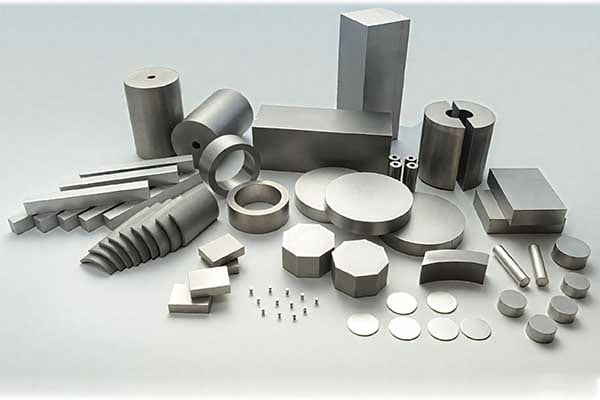
Magnets vary in strength and rarity, but some stand out for their unique properties and scarcity.
The rarest magnet in the world is often considered to be the samarium–cobalt magnet. It is less common than neodymium magnets due to its higher cost and more complex production. Samarium–cobalt magnets are prized for their high temperature resistance and corrosion resistance, making them valuable in specialized applications.
Samarium–cobalt magnets belong to the family of rare earth magnets, which are the strongest permanent magnets available. While neodymium magnets dominate the market because of their high magnetic strength and lower cost, samarium–cobalt magnets remain rare because of the scarcity of samarium and cobalt elements and their challenging manufacturing process.
These magnets can operate at higher temperatures than neodymium magnets and resist oxidation without heavy coatings. This makes them ideal for aerospace, military, and high-performance motors where durability is critical.
Why Samarium–Cobalt Magnets Are Rare
| Feature | Explanation |
|---|---|
| Material Scarcity | Samarium and cobalt are less abundant and harder to mine than neodymium |
| Production Complexity | Requires precise melting, milling, and sintering under controlled atmospheres |
| Cost | Higher raw material and processing costs limit large-scale use |
| Performance Niche | High Curie temperature and corrosion resistance make it suitable for extreme environments |
| Brittleness | More brittle than neodymium, requiring careful handling and coating |
The rarity of samarium–cobalt magnets also comes from their brittleness and cost. They tend to chip or crack easily, so they need protective coatings and careful machining. Despite these challenges, their unique properties keep them in demand for applications where rare earth magnets must perform under harsh conditions.
How rare earth magnets are made?

The making of rare earth magnets is a complex process that combines advanced materials science and precise manufacturing steps.
Rare earth magnets, including neodymium and samarium–cobalt types, are produced by melting rare earth alloys, crushing them into fine powders, pressing the powders under strong magnetic fields, sintering the pressed shapes, and finally coating and magnetizing them. This process ensures strong magnetic properties and durability.
The production starts with mining and refining rare earth ores, which are then alloyed with iron, cobalt, boron, or other elements depending on the magnet type. For neodymium magnets, the alloy Nd₂Fe₁₄B is common. The alloy is melted in a vacuum or inert atmosphere furnace to avoid oxidation. After cooling, the ingots are crushed and milled into micrometer-sized powders.
Manufacturing Process of Rare Earth Magnets
| Step | Description |
|---|---|
| Ore Mining and Refining | Extraction of rare earth elements and purification |
| Alloy Melting | Melting rare earth metals with iron, cobalt, and boron in vacuum induction furnaces |
| Powder Milling | Crushing and jet milling to achieve fine powder with uniform particle size |
| Pressing | Pressing powder into shape under a strong magnetic field to align magnetic domains |
| Sintering | Heating pressed magnets to fuse particles and increase density |
| Aging and Heat Treatment | Adjusting magnetic properties through controlled heating |
| Machining and Grinding | Shaping magnets to precise dimensions |
| Coating | Applying protective layers like nickel, epoxy, or zinc to prevent corrosion |
| Magnetizing | Exposing magnets to a strong magnetic field to induce permanent magnetism |
The pressing step is crucial because it aligns the microscopic magnetic grains in the same direction, giving the magnet high coercivity and remanence. Sintering densifies the magnet, shrinking its volume by up to 50% while increasing strength. After sintering, magnets are machined to exact shapes and coated to protect against corrosion and brittleness.
Differences Between Neodymium and Samarium–Cobalt Manufacturing
| Aspect | Neodymium Magnets | Samarium–Cobalt Magnets |
|---|---|---|
| Alloy Composition | Nd, Fe, B | Sm, Co, sometimes Fe, Cu, Zr |
| Melting Atmosphere | Vacuum or inert gas | Argon gas atmosphere |
| Pressing Method | Perpendicular or parallel magnetic field pressing | Similar pressing with magnetic field |
| Sintering Temperature | Around 1000 °C | Slightly different depending on grade |
| Corrosion Protection | Nickel plating common | Often less coating needed due to natural resistance |
| Brittleness | Less brittle but more prone to corrosion | More brittle but better temperature stability |
Both types require advanced manufacturing equipment and skilled processes to maintain quality and performance. The complexity and cost of these steps contribute to the price and rarity of rare earth magnets in the market.
Are rare earth magnets bad for the environment?
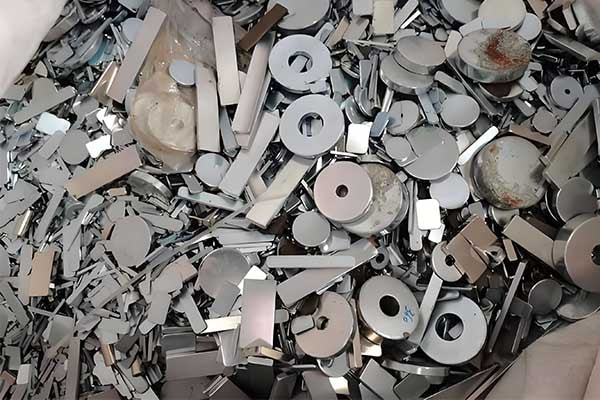
Environmental concerns grow stronger each year. Manufacturing processes face increasing scrutiny from consumers and governments. The electronics industry must address these concerns while maintaining product performance. Many people worry about the environmental impact of the magnets in their devices.
Rare earth magnet production creates significant environmental challenges through mining operations, chemical processing, and energy consumption. However, these earth magnets enable renewable energy technologies and improve device efficiency, creating long-term environmental benefits that often outweigh initial production impacts.
I've witnessed the environmental debate around rare earth magnets firsthand during my years in manufacturing. The conversation is more complex than most people realize. Mining rare earth elements does create environmental challenges, but the complete picture tells a different story.
Understanding the Environmental Impact of Production
Mining rare earth elements requires extensive excavation and chemical processing. The extraction process produces radioactive waste and toxic byproducts that need careful management. China dominates global production, where environmental standards have historically been less stringent than Western countries. This concentration of production creates regional environmental hotspots that affect local communities.
Chemical separation presents the biggest environmental challenge in rare earth processing. The process uses large quantities of acids and solvents to separate individual elements from ore concentrates. These chemicals can contaminate groundwater and soil if not properly contained. Processing one ton of rare earth oxides typically generates 2,000 tons of toxic waste that requires specialized disposal methods.
Energy consumption during magnet manufacturing adds another environmental burden. Creating neodymium magnets requires high-temperature processing and precision manufacturing equipment. The energy intensity of production varies significantly between facilities. Modern plants use more efficient processes, but older facilities still consume excessive energy per unit of output.
Water usage during rare earth processing reaches substantial levels. The chemical separation process requires large volumes of clean water for washing and purification steps. Many processing facilities operate in water-scarce regions, creating additional environmental stress. Some plants recycle process water, but complete closed-loop systems remain uncommon in the industry.
However, the environmental impact calculation must include the benefits these magnets provide. Wind turbines use large quantities of rare earth magnets in their generators. These magnets enable efficient electricity generation from wind power. A single wind turbine contains approximately 600 kilograms of rare earth magnets but generates clean electricity for 20-25 years.
Electric vehicle motors rely heavily on rare earth magnets for efficiency and performance. These motors achieve higher efficiency ratings than traditional alternatives, reducing overall energy consumption. The improved efficiency translates to longer driving ranges and reduced electricity demand from the power grid.
Environmental Impact Comparison
| Impact Category | Rare Earth Mining | Alternative Materials | Long-term Benefits |
|---|---|---|---|
| Carbon Emissions | High during production | Lower initial impact | Enables renewable energy |
| Water Usage | Intensive processing | Variable by material | Improved device efficiency |
| Waste Generation | Significant toxic waste | Different waste types | Extended product lifespan |
| Land Disruption | Large mining areas | Distributed mining | Smaller device footprints |
The efficiency gains from rare earth magnets create substantial environmental benefits over product lifespans. Electric motors using these magnets achieve 95% efficiency compared to 85% for traditional motors. This 10% improvement reduces energy consumption significantly across millions of applications. The cumulative energy savings often exceed the environmental costs of magnet production within the first few years of operation.
M-Magnet works with customers to minimize environmental impact through responsible sourcing and efficient manufacturing processes. We partner with suppliers who meet strict environmental standards and invest in cleaner production technologies. Our goal is to provide high-performance magnets while reducing the environmental footprint of the entire supply chain.
Can you recycle rare earth magnets?
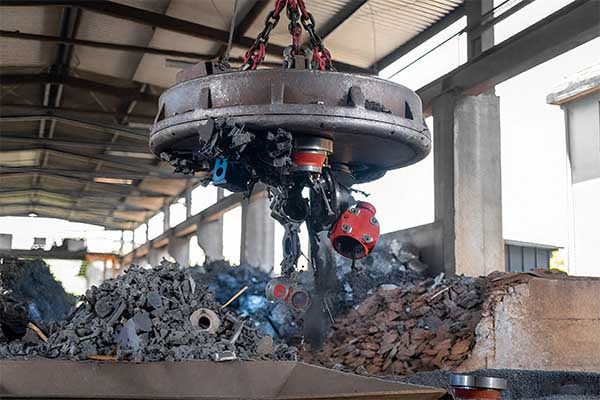
Electronic waste continues to accumulate in landfills worldwide. Valuable materials get buried instead of being recovered and reused. The rare earth elements in discarded magnets represent a significant opportunity for resource conservation. Many people wonder if these materials can be recovered and used again.
Rare earth magnets can be recycled through several proven methods including direct reuse, reprocessing into new magnets, and chemical recovery of rare earth elements. Current recycling rates remain low due to collection challenges and economic factors, but new technologies and regulations are improving recovery rates.
Early recycling efforts focused on simple material recovery, but modern approaches can restore magnets to nearly original performance levels. The key is developing efficient collection and processing systems.
Current Recycling Methods and Technologies
Direct reuse represents the simplest form of rare earth magnet recycling. Magnets removed from end-of-life products can be cleaned, tested, and used in new applications. This approach works well for magnets that maintain their magnetic properties and physical integrity. Hard drive magnets often qualify for direct reuse because they operate in protected environments and experience minimal degradation.
Mechanical processing breaks down magnets into smaller pieces for material recovery. The process uses crushing and grinding equipment to reduce magnets to powder form. Magnetic separation techniques then concentrate the rare earth materials for further processing. This method works effectively for magnets that cannot be reused directly but still contain valuable materials.
Chemical processing offers the most comprehensive recycling approach for earth magnets. The process dissolves magnets in acid solutions to separate individual rare earth elements. These elements can then be purified and used to manufacture new magnets. Chemical recycling achieves recovery rates above 95% for most rare earth elements, making it highly efficient from a material perspective.
Hydrogen processing presents an innovative approach to magnet recycling that preserves more of the original magnet structure. The process exposes magnets to hydrogen gas at elevated temperatures, causing them to become brittle and break apart. The resulting powder retains much of its magnetic properties and can be reformed into new magnets with minimal additional processing.
Collection systems remain the biggest challenge in rare earth magnet recycling. Most consumers dispose of electronic devices through general waste streams where magnets get mixed with other materials. Specialized collection programs exist in some regions, but coverage remains limited. Industrial users often have better access to recycling services through equipment manufacturers or specialized waste management companies.
Economic factors significantly influence recycling rates for rare earth magnets. Processing costs must compete with primary production costs to make recycling economically viable. Fluctuating rare earth prices affect the economics of recycling operations. When prices are high, recycling becomes more attractive, but low prices can make recycling unprofitable.
Rare Earth Magnet Recycling Methods
| Method | Recovery Rate | Product Quality | Processing Cost |
|---|---|---|---|
| Direct Reuse | 100% | Original performance | Very low |
| Mechanical Processing | 85-90% | Reduced performance | Moderate |
| Chemical Processing | 95%+ | Like new materials | High |
| Hydrogen Processing | 90-95% | High performance | Moderate-High |
Regulatory pressure is driving improvements in rare earth magnet recycling. The European Union's WEEE (Waste Electrical and Electronic Equipment) directive requires proper disposal and recycling of electronic devices containing rare earth magnets. Similar regulations in other regions are creating incentives for better collection and processing systems.
Technology companies are beginning to take more responsibility for magnet recycling. Apple launched a program to recover rare earth elements from old devices and use them in new products. Other manufacturers are exploring similar initiatives as part of their sustainability commitments. These programs help address collection challenges by providing convenient return options for consumers.
Research into new recycling technologies continues to advance the field. Scientists are developing more efficient separation techniques and lower-cost processing methods. Some approaches use biotechnology to extract rare earth elements using specially engineered bacteria. Others focus on improving the economics of existing processes through automation and scale efficiencies.
M-Magnet supports recycling initiatives by working with customers to design magnets that are easier to recover and process. We also participate in industry efforts to develop better recycling standards and processes. Our experience in magnet manufacturing helps identify opportunities to improve recycling efficiency and reduce environmental impact.
The future of rare earth magnet recycling looks promising as technology improves and economic incentives align. Higher recycling rates will reduce the environmental impact of new magnet production and help secure supplies of critical materials. The combination of better collection systems, improved processing technologies, and supportive regulations will make recycling a more viable option for managing end-of-life magnets.
Which country has the most rare earth materials?

People often ask where rare earth materials come from. This matters for global supply chains. We need reliable sources for our magnets. China dominates this market today.
China holds the largest rare earth reserves and produces over 60% of global supply. Vietnam and Brazil rank next but with smaller outputs. These materials power modern technologies like electric vehicles and wind turbines worldwide.
Rare earth elements are crucial for strong magnets. M-Magnet is one of the neodymium magnets manufacturer and exporter selling around the world. China controls most mining. Other countries have deposits too. But China leads in processing. This creates supply concerns.
Global Rare Earth Reserves and Production (2024)
| Country | Reserves (Million Tons) | Production (Thousand Tons) | Share of Global Production |
|---|---|---|---|
| China | 44 | 240 | 63% |
| Vietnam | 22 | 40 | 11% |
| Brazil | 21 | 28 | 7% |
| Russia | 12 | 26 | 7% |
China mines most rare earths. These materials make strong magnets. The country has large deposits. It also controls processing plants. Other nations have resources too. But they lack China's infrastructure. This affects global supply chains.
Rare earth magnets need these elements. Neodymium and dysprosium are key. China extracts them efficiently. The country invests in technology. Its mines operate at large scales. This keeps costs lower. But it creates dependency risks.
Vietnam has growing reserves. Its production increases yearly. Brazil has potential too. Both countries face challenges. They need better refining capacity. Environmental rules limit expansion. Processing rare earths creates waste. Handling this waste requires care.
Russia has significant resources. Sanctions impact its exports. The country sells less now. New projects develop slowly. Transportation issues exist. Buyers seek alternatives.
The United States has rare earths. Mountain Pass mine operates in California. It produces about 15% globally. America relies on China for processing. Raw ore ships to Asia. Finished products return. This adds costs and delays.
Australia mines rare earths. Lynas Corporation runs major facilities. The country aims to build full supply chains. Processing plants develop slowly. Technical expertise takes time. Investment needs are high.
Rare earth magnets require stable supplies. At M-Magnet, we monitor sources. We use materials from multiple regions. This reduces business risks. We test alternatives constantly.
Recycling helps secure materials. Old electronics contain rare earths. Recovery processes improve yearly. We participate in these programs. Recycled magnets work well. Their strength matches new ones.
Geopolitics affect availability. Trade disputes cause shortages. Export limits happened before. Prices jumped suddenly. Buyers suffered production delays.
Rare earth magnet makers plan carefully. We stockpile key materials. We develop relationships with miners. Long-term contracts provide stability. Technical innovations reduce usage.
China's dominance continues today. But other sources emerge slowly. The market changes gradually. New mines open in Africa. Canada explores its resources. Greenland has potential deposits.
Processing remains concentrated. China refines 85% of global output. Other nations build facilities. Malaysia hosts a Lynas plant. The US and Europe plan new sites.
Environmental concerns grow. Mining impacts ecosystems. Local communities protest sometimes. Companies must follow strict rules. Cleaner methods develop.
Rare earth magnets power modern life. Electric vehicles use them. Wind turbines need them. Electronics depend on them. Securing materials is crucial.
We see supply diversification. Multiple sources will emerge. The transition takes years. Technologies evolve constantly.
Our industry adapts. We research material efficiency. We design magnets using less rare earth. We improve product lifetimes. Recycling rates increase.
Customers want stable supplies. At M-Magnet, we ensure reliability. We track material flows daily. We maintain quality always.
Conclusion
A rare earth magnet is a powerful type of permanent magnet that utilizes elements from the rare earth group in the periodic table, primarily neodymium, samarium, and dysprosium. The demand for rare earth magnets continues to grow due to their irreplaceable role in enabling technological advancements and sustainable energy solutions. As research and development efforts persist, future applications of rare earth magnets may expand even further, driving innovation and shaping the course of various industries.
About Blogger
Benjamin Li
Operation Manager of M-Magnet Company
I will bring you a full range of magnet knowledge and manufacturing experience on neodymium magnets and MagSafe magnet solutions through blogs and emails. I'm not an expert yet in magnets, but we have a whole team to help you solve technical issues, design drawing details, compatibility suggestions from magnetic assemblies, magnet purchasing and many other customized magnet solutions from China. You can follow my blogs on knowledge sharing or contact me for your own magnet solutions. We will always do the best.