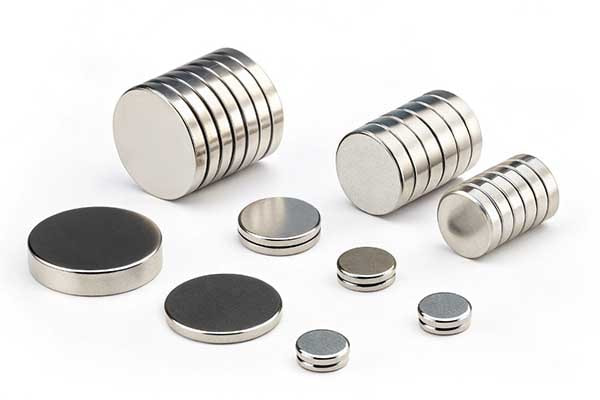
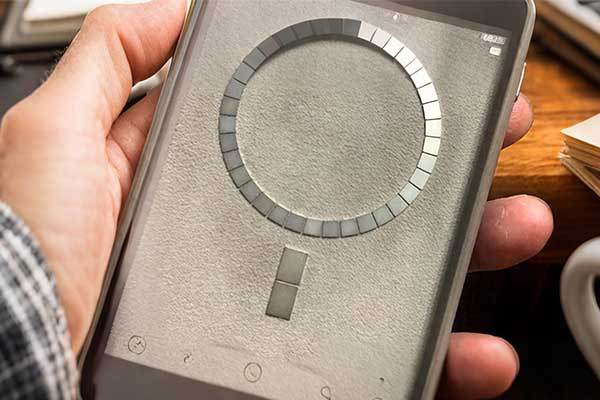
Can you take fridge magnets on a plane?

Fridge magnets are popular souvenirs, but travelers often worry about flying with magnets. At M-Magnet Company, we clarify air travel rules for magnetic items to ensure smooth journeys.
Yes, most fridge magnets are allowed[1] on planes if they meet airline size and magnetic field limits. The FAA permits magnets with a flux density below 0.00525 gauss at 15 feet[2], meaning typical souvenir magnets pose no risk.
Read on to understand specific regulations and shipping alternatives when flying with magnets.
Table of Contents
Are magnets allowed to be shipped?
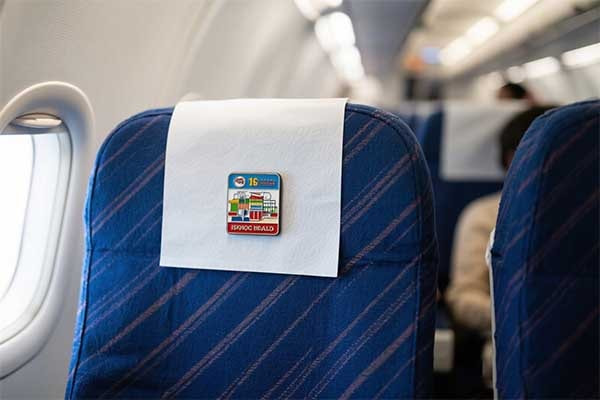
Shipping magnets requires careful packaging and labeling[3] to meet transport regulations. Let's see what we can do.
Magnets can be shipped but require special handling. IATA[4] classifies strong magnets as Class 9 hazardous materials when their magnetic field exceeds 0.159 A/m (0.002 gauss) at 7 feet. Most fridge magnets fall below this threshold and ship normally.
Magnet Shipping Regulations by Carrier
| Carrier | Field Limit | Packaging | Labeling |
|---|---|---|---|
| FedEx[5] | 0.002 gauss | Double-boxed | Magnet warning |
| UPS[6] | 0.00525 gauss | Non-ferrous | Class 9 |
| DHL[7] | 0.159 A/m | Shielded | UN2807 |
Shipping magnets involves more than just putting them in boxes. The magnetic field strength determines the regulations. We use Gauss meters[8]( to measure each shipment's field at specified distances. For fridge magnets, the field usually drops below hazardous levels when packed with spacing materials.
Air shipments[9] face stricter rules than ground transport. When flying with magnets as cargo, we must complete Shipper's Declaration for Dangerous Goods forms[10] for anything above 0.002 gauss. Our team trains staff to properly secure magnets with non-magnetic spacers and cushioning to prevent movement during transit.
Temperature changes during flights can affect magnetic properties. We advise clients to use thermal-insulated packaging for high-grade neodymium magnets. Moisture is another concern - we include silica gel packs in all international shipments. For large orders, we palletize shipments with magnetic shielding materials to meet IATA's magnetized material requirements.
How to pack magnets for air travel?

Many people love collecting travel refrigerator magnets as souvenirs. But when it comes to flying, they worry about how to pack them. The key is to reduce their magnetic impact.
You should pack magnets individually in non-magnetic materials like cardboard or plastic boxes. Then, place them in a larger, sturdy box with cushioning materials[11]. This helps prevent magnets from moving and reduces their magnetic interference.
When it comes to packing magnets[12] for air travel, especially those travel refrigerator magnets we all love to collect, there are several important steps to consider. First and foremost, it's crucial to separate each magnet. If magnets are allowed to stick together during the journey, they can create a stronger magnetic field, which might pose a risk to the aircraft's sensitive equipment. You can use small cardboard or plastic boxes to house each magnet separately. These materials are non-magnetic and will not interact with the magnets' fields.
In addition to individual packaging, the outer container also matters a great deal. A sturdy cardboard box or a wooden box is an excellent choice. The box should be strong enough to withstand the jostling and movement that luggage typically experiences during air travel. This not only protects the magnets from getting damaged but also helps in containing their magnetic fields.
Another important aspect is cushioning. Using materials such as bubble wrap, foam, or even crumpled newspaper can be very effective. Cushioning serves two purposes. Firstly, it provides a buffer between the magnets and the sides of the outer box, reducing the chances of the magnets hitting the box walls and getting damaged. Secondly, it helps in further isolating the magnets from each other, minimizing the magnetic interaction.
Types of magnets and their packing requirements
Different types of magnets have varying packing requirements based on their strength and susceptibility to rust. Here’s a table outlining common magnet types and how to pack them:
| Magnet Type | Rust Resistance | Packing Requirements |
|---|---|---|
| Neodymium (Rare Earth) | Low (requires coating) | Wrap individually, use magnetic shielding, place in sturdy containers, declare to airline. |
| Ceramic (Ferrite) | High | Wrap individually, use non-magnetic materials, place in containers, declare to airline. |
| Samarium Cobalt | High | Wrap individually, use shielding for strong magnets, place in containers, declare to airline. |
| Alnico | Medium | Wrap individually, use non-magnetic materials, place in containers, declare to airline. |
Moreover, if you are dealing with stronger magnets, you might also consider using magnetic shielding materials. Some specialty stores sell materials like mu-metal[13] sheets that can be wrapped around the magnets to further reduce the magnetic field that escapes. However, for most regular travel refrigerator magnets, the basic packing steps mentioned above should be sufficient. Always remember to label your package clearly as containing magnets. This can help airport staff handle your luggage more appropriately and also ensures that there are no misunderstandings during the security screening process. By following these packing guidelines, you can safely take your travel refrigerator magnets on your next flight and add to your collection without any worries.
Are magnets considered hazardous materials?
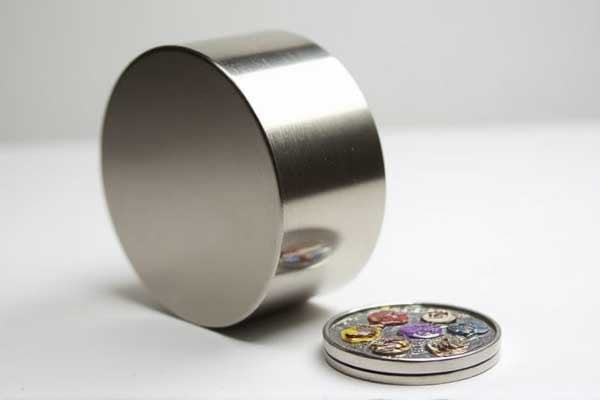
Some one asked me if magnets are considered hazardous materials. It's a tricky question with different answers depending on various factors.
Magnets can be considered hazardous materials[14] if their magnetic field is strong enough to interfere with aircraft systems. Small, weak magnets like common travel refrigerator magnets usually aren't, but larger, stronger ones might be.
The classification of magnets as hazardous materials mainly depends on their magnetic strength[15]. For the common travel refrigerator magnets that many of us collect, they typically have a relatively weak magnetic field. These magnets are designed for decorative purposes and are not likely to cause any significant interference with the aircraft's navigation, communication, or other critical systems. As a result, they are generally not considered hazardous materials for air travel.
However, when we talk about larger and stronger magnets, the situation changes. Industrial-grade magnets, for example, can have extremely powerful magnetic fields. These strong magnetic fields have the potential to disrupt the delicate electronic and magnetic - sensitive equipment on an aircraft. The compass, which is crucial for navigation, could be thrown off by a strong magnetic field. In addition, modern aircraft rely heavily on a complex network of electronic systems for communication, autopilot functions, and more. A powerful magnet could interfere with these systems, potentially leading to serious safety issues during flight.
To better understand the difference, let's look at a table comparing weak and strong magnets in terms of their potential hazard status for air travel:
| Magnet types | Rust Resistance | Hazardous Material Classification | Transportation Requirements |
|---|---|---|---|
| Neodymium (Rare Earth) | Low | Not inherently hazardous | Must be declared due to strong magnetic fields; shielding may be required. |
| Ceramic (Ferrite) | High | Not inherently hazardous | Generally no special requirements; declare if in large quantities. |
| Samarium Cobalt | High | Not inherently hazardous | Declare for air/freight shipments; shielding recommended for strong magnets. |
| Alnico | Medium | Not inherently hazardous | Declare if powerful or in large quantities; follow airline/courier guidelines. |
Another factor to consider is the regulations set by different airlines and aviation authorities. Some airlines might have more strict policies regarding any magnetic materials, even if they are of relatively low strength. They do this as an extra precaution to ensure the safety of their flights. Aviation authorities around the world also have guidelines. These guidelines usually define the maximum magnetic field strength that is allowed for items to be transported on an aircraft without being classified as hazardous. If a magnet exceeds this limit, it will be considered a hazardous material and special procedures will be required for its transportation, which might include special packaging, magnetic field testing, and additional documentation.
In conclusion, while small and weak magnets like travel refrigerator magnets are usually safe to take on a plane and are not considered hazardous materials, stronger magnets can pose a risk and may be classified as such. It's always a good idea to check with your airline before traveling with any magnets, especially if you are unsure about their magnetic strength. At M-Magnet Company, we are well-versed in the different types of magnets and their applications. If you have any questions regarding magnets and their safe transportation, feel free to reach out to us.
What metal cannot be detected by metal detectors?

Many travelers worry about what they can carry on planes[16]. One common concern is whether metal objects will be detected.
Metal detectors usually detect ferrous metals. Some non-ferrous metals[17], such as stainless steel or titanium, may not trigger detectors, depending on their composition and the machine’s sensitivity.
Sometimes, people assume all metals[18] will set off a detector. But that’s not always true. A metal detector[19] responds to how conductive or magnetic a material is. If a metal does not interact strongly with magnetic fields or electric currents, it might not be noticed. I often explain this to clients who ask if our custom magnets will cause problems during air travel.
So what determines the detectability?
Detection Sensitivity[20] of Different Metals
| Metal | Detectable by Standard Metal Detector | Magnetic |
|---|---|---|
| Iron | Yes | Yes |
| Aluminum | Yes (with high sensitivity) | No |
| Titanium[21] | Not always | No |
| Stainless Steel (304) | Sometimes | No or Low |
Even if a metal is not magnetic, it might still conduct electricity. That can still make it detectable. But for people carrying small fridge magnets on a plane, most materials used in those magnets (like ferrite or neodymium) are small enough to go unnoticed. From our experience at M-Magnet, most magnets used in promotional products or souvenirs pose no issues at airports. Still, I always recommend keeping them in carry-ons and declaring them if asked.
How to tell if something is magnetic without a magnet?

You might be without tools but still need to test a material. This happens often when people ask if something is magnetic before using it in a product.
You can check if something is magnetic without a magnet by using a compass, observing interaction with known magnetic materials, or checking the material’s composition.
Sometimes I receive this question from customers who want to understand the behavior of our wireless charging magnets. Many wonder if they need a magnet to test. But that’s not the only way. You can detect magnetism by indirect observation[22].
Simple ways to check magnetic properties
One easy method is to use a compass[23]. If the needle moves when you bring the material near, then it's likely magnetic. You can also place the item near a known magnet (if available). If it moves or rotates slightly, there’s a magnetic interaction.
Another approach is checking the material type. What metals are magnetic? Iron, nickel, and cobalt are the main ones. If your object is made from these, it’s probably magnetic. Stainless steel can be tricky. Some versions are, some are not.
At M-Magnet, we test all our neodymium and ceramic magnets during production. We often rely on machine-based detection, but for basic checks, we use these simple methods too.
Ways to Test Magnetism Without a Magnet
| Method | How It Works | Limitations |
|---|---|---|
| Compass | Needle shifts if near a magnetic field | Sensitive to nearby metal objects |
| Material Check | Research if material is ferromagnetic[24] | May not confirm if coated or alloyed |
| Try With Known Magnet | Check for attraction or resistance | Needs access to a magnet |
This testing is very useful if you're designing products with built-in magnets, like MagSafe accessories. At M-Magnet, we often develop custom solutions for clients who don’t have lab tools but still need to ensure their components react correctly with magnetic fields. In these cases, understanding how to tell if something is magnetic — even without a magnet — is key.
What metals are not magnetic list?
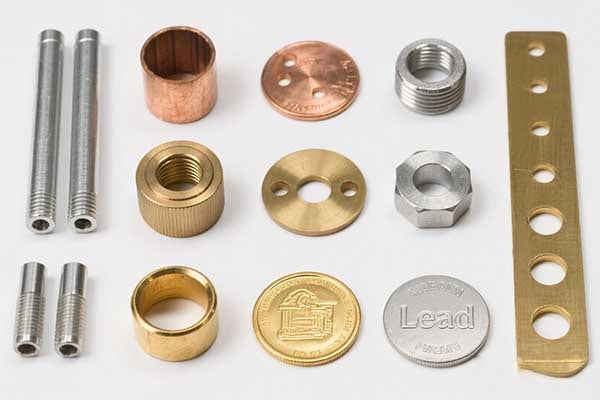
Many people are curious about which common metals do not stick to magnets. Knowing this can be helpful in various situations, from understanding everyday objects to specific applications. Here is a list of common non-magnetic metals.
Common non-magnetic metals[25] include aluminum, copper, brass, gold, silver, and lead. These metals do not have the specific atomic structure that allows them to be attracted by a magnetic field. This is because their electrons are arranged differently compared to magnetic metals like iron, nickel, and cobalt.
To truly understand why some metals aren't magnetic[26], we need to look at their atomic structure[27]. Magnetism in materials arises from the movement of electrons. In ferromagnetic metals[28] like iron, these electrons have unpaired spins that align with each other, creating a strong magnetic field. However, in non-magnetic metals, the electrons are typically paired, and their spins cancel each other out, resulting in no net magnetic field. Additionally, the arrangement of atoms in the crystal lattice of these metals does not support the collective alignment of electron spins necessary for ferromagnetism. You might be surprised by the variety of non-magnetic metals we encounter daily.
For example, the M-Magnet Company often uses non-magnetic materials in conjunction with our neodymium magnets and MagSafe magnets in various customized solutions to achieve specific functionalities without unwanted magnetic interference.
Common Non-Magnetic Metals
Understanding the properties of different metals is crucial in many industries. The table below highlights some common non-magnetic metals and their typical applications[29].
Common Non-Magnetic Metals and Their Uses
| Metal | Common Applications |
|---|---|
| Aluminum | Aerospace, packaging, construction |
| Copper | Electrical wiring, plumbing, cookware |
| Brass | Decorative items, musical instruments, plumbing fittings |
| Gold | Jewelry, electronics, currency |
| Silver | Jewelry, silverware, photography |
| Lead | Batteries, radiation shielding, weights |
When considering items like fridge magnets, which are typically made of ferromagnetic materials, it's interesting to think about the surfaces they adhere to. Refrigerators are usually made of steel, which contains iron and is therefore magnetic. If you're wondering, can you take fridge magnets on a plane, the answer is generally yes, as they don't pose a significant safety risk.
The M-Magnet Company produces various types of magnets, and we understand the importance of both magnetic and non-magnetic materials in different applications. You can usually pack fridge magnets in your carry-on or checked luggage without any issues. The primary concern with magnets on planes would be very strong industrial magnets, which could potentially interfere with aircraft instruments, but standard fridge magnets are not in this category.
So, to reiterate, can you take fridge magnets on a plane? Yes, you can.
Conclusion
Fridge magnets generally pass airport security if they're small and weak. Shipping follows stricter rules based on magnetic strength. At M-Magnet Company, we ensure compliance whether you're flying with magnets or shipping them globally. Always check current IATA and carrier guidelines before transport.
Note:
About Blogger
Benjamin Li
Operation Manager of M-Magnet Company
I will bring you a full range of magnet knowledge and manufacturing experience on neodymium magnets and MagSafe magnet solutions through blogs and emails. I'm not an expert yet in magnets, but we have a whole team to help you solve technical issues, design drawing details, compatibility suggestions from magnetic assemblies, magnet purchasing and many other customized magnet solutions from China. You can follow my blogs on knowledge sharing or contact me for your own magnet solutions. We will always do the best.